
I baked an easy 9×13 Biscoff cake filled with creamy Cookie Butter Spread and topped with homemade Biscoff frosting, and I share one simple secret in the post that keeps readers asking for more.
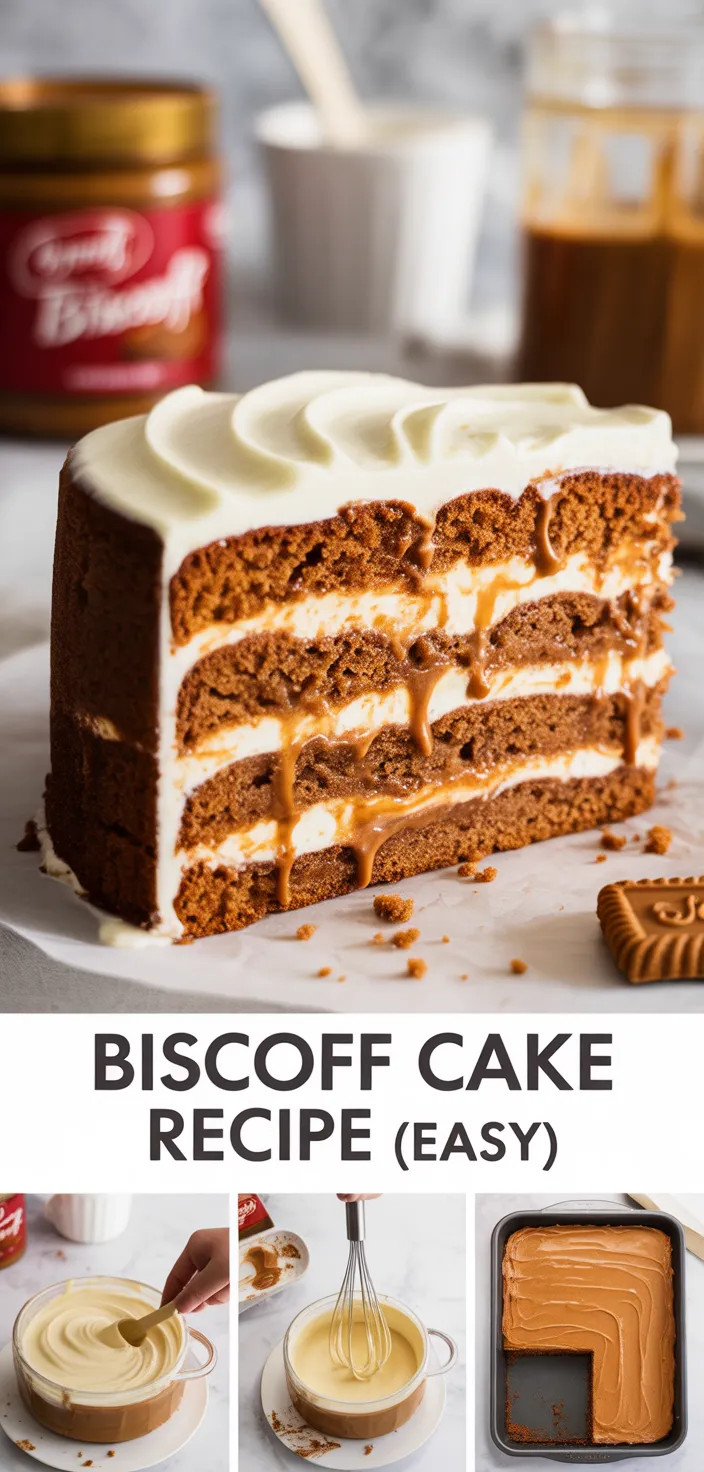
I almost can’t believe how simple this Biscoff Cake Recipe Easy turned out, yet every bite tastes like a bakery cheat. I layered rich Biscoff cookie butter and a cloud of frosting made with unsalted butter so it melts on the tongue, and people keep asking what’s in it even after I tell them.
It’s part nostalgia part new obsession, and it’d be perfect for a Dessert Cookoff Ideas entry or just company that expects something fancy. I promise it looks way more complicated than it is, and if you like Cookie Butter Spread you’ll be hooked fast.
Ingredients
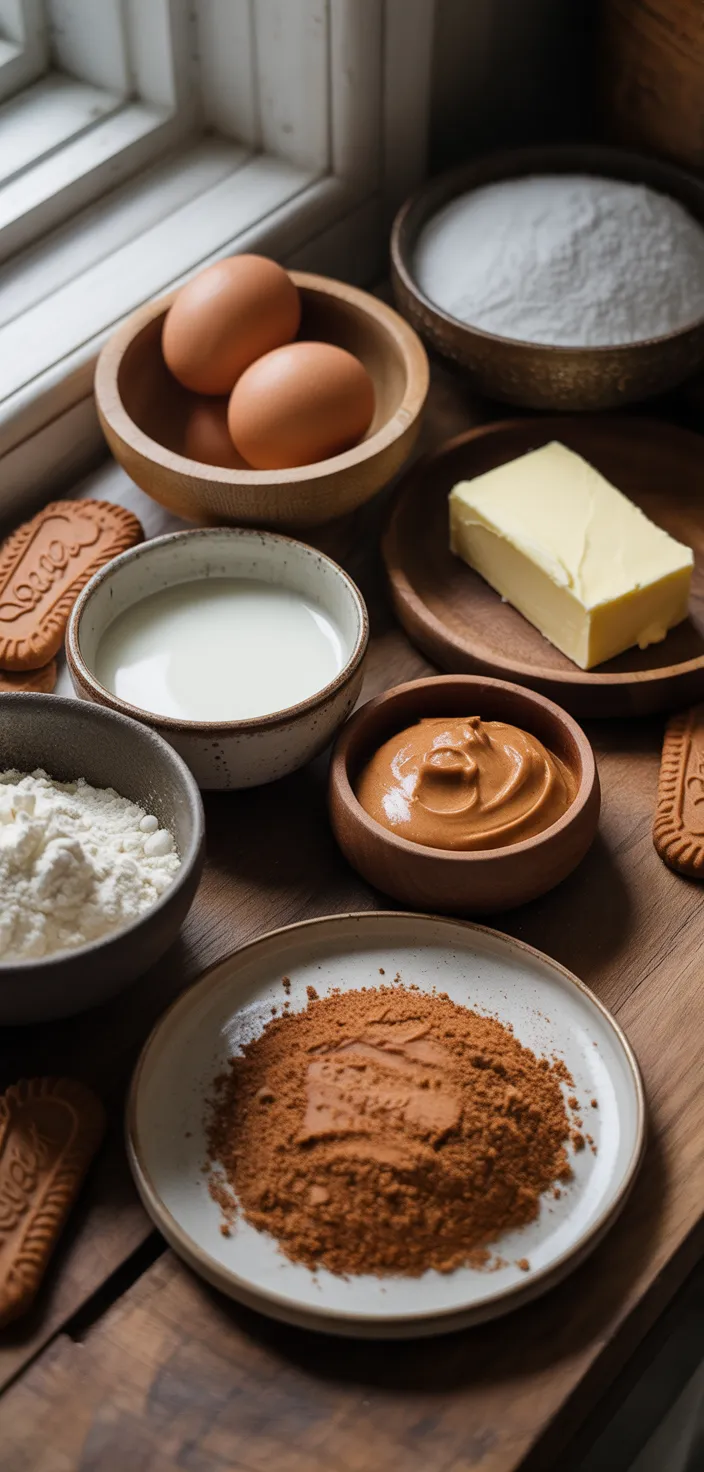
- All purpose flour: Main source of carbs, gives structure and bulk, not much nutrition though
- Unsalted butter: Adds rich fat and flavor, makes cake tender, high in saturated fat
- Granulated sugar: Sweetens and helps browning, supplies quick carbs, no vitamins or fiber
- Eggs: Provide protein and structure, add moisture and richness, help the cake rise
- Biscoff cookie butter: Intense caramel spice flavor, very sweet and fatty, gives that cookie taste
- Sour cream or Greek yogurt: Adds a tangy note, tender crumb and moisture, small protein boost
- Powdered sugar for frosting: Creates smooth sweet frosting, mostly carbs, thinned with cream if needed
- Vanilla extract: Small amount but lifts flavors, adds warm sweet aromatic notes
Ingredient Quantities
- For the cake: 2 1/2 cups (312 g) all purpose flour
- 2 teaspoons baking powder
- 1/2 teaspoon baking soda
- 1/2 teaspoon fine salt
- 1 cup (226 g) unsalted butter, softened, room temp
- 1 1/2 cups (300 g) granulated sugar
- 3 large eggs, room temp
- 1 cup (240 ml) whole milk, room temp
- 1/2 cup (120 g) sour cream or plain Greek yogurt
- 2 teaspoons vanilla extract
- Biscoff filling: 1 1/4 to 1 1/2 cups (320 to 380 g) Biscoff cookie butter spread, divided
- 1/2 cup crushed Biscoff cookies or speculoos crumbs, optional
- Frosting: 1 cup (226 g) unsalted butter, softened
- 3 to 4 cups (360 to 480 g) powdered sugar, sifted
- 3/4 cup (200 g) Biscoff cookie butter
- 2 to 4 tablespoons (30 to 60 ml) heavy cream or milk, more if needed
- 1 teaspoon vanilla extract
- Pinch fine salt
How to Make this
1. Preheat oven to 350°F (175°C). Grease a 9×13 pan and line with parchment for easy removal, or just grease well if you dont have parchment.
2. Whisk together 2 1/2 cups (312 g) all purpose flour, 2 teaspoons baking powder, 1/2 teaspoon baking soda and 1/2 teaspoon fine salt in a bowl; set aside.
3. In a large bowl beat 1 cup (226 g) softened unsalted butter with 1 1/2 cups (300 g) granulated sugar until light and fluffy, about 3 to 5 minutes. Add 3 large room temp eggs one at a time, beating briefly after each and scraping the bowl; stir in 2 teaspoons vanilla extract.
4. In a separate measuring cup whisk 1 cup (240 ml) whole milk with 1/2 cup (120 g) sour cream or plain Greek yogurt. Add the dry ingredients to the butter mixture in three parts, alternating with the milk mixture, beginning and ending with the dry. Mix just until combined, dont overmix or the cake will be dense.
5. Spoon about half the batter into the prepared pan and smooth. Dollop about 1/2 cup Biscoff cookie butter (if it’s stiff, microwave 10-15 seconds to make it spreadable) in blobs over the batter and swirl gently with a knife. Pour remaining batter on top and smooth. If you like extra crunch sprinkle 1/2 cup crushed Biscoff cookies over the top.
6. Bake 30 to 35 minutes, rotating halfway, until the edges are golden and a toothpick inserted in the center comes out with a few moist crumbs but not wet batter. Let cool in the pan 10 minutes, then transfer to a wire rack and cool completely before frosting.
7. While cake cools make the frosting: beat 1 cup (226 g) softened unsalted butter until pale and smooth, then beat in 3/4 cup (200 g) Biscoff cookie butter. Add 3 to 4 cups (360 to 480 g) sifted powdered sugar a cup at a time, adding 2 to 4 tablespoons (30 to 60 ml) heavy cream or milk as needed to reach a spreadable consistency. Stir in 1 teaspoon vanilla extract and a pinch of fine salt. Taste and adjust sweetness or salt if needed.
8. When cake is completely cool, spread the Biscoff frosting evenly over the top. If you saved about 1/4 cup Biscoff, warm it slightly and drizzle over the frosted cake for shine and extra flavor. Sprinkle additional crushed cookies if desired.
9. Chill for 15 to 30 minutes to set the frosting for cleaner slices, then cut and serve. Leftovers keep tightly covered in the fridge for up to 4 days and actually taste better the next day after flavors meld.
Equipment Needed
1. 9×13 inch baking pan plus parchment paper or nonstick spray
2. Stand mixer or electric hand mixer (or a whisk if you wanna work harder)
3. Large mixing bowls (at least 2)
4. Measuring cups, measuring spoons and a kitchen scale for accuracy
5. Liquid measuring cup for the milk and sour cream
6. Whisk for the dry ingredients and milk mix
7. Rubber spatula for folding and scraping the bowl
8. Offset spatula or butter knife to smooth batter and spread frosting
9. Wire cooling rack and toothpick to test doneness
10. Fine mesh sieve for sifting powdered sugar and a small bowl or zip bag to crush cookies
FAQ
Biscoff Cake Recipe (easy) Substitutions and Variations
- All-purpose flour: swap for cake flour for a lighter, tender crumb (use the same weight, 312 g), or make cake flour at home by removing 2 tbsp AP flour per cup and adding 2 tbsp cornstarch; for gluten free use a 1-to-1 GF all-purpose blend by weight.
- Unsalted butter (cake): use vegan stick butter 1:1 if you need dairy free, or for a moister cake use about 3/4 cup neutral oil (canola/vegetable) for every 1 cup butter, note youll lose some buttery flavor.
- Whole milk: substitute 1 cup buttermilk for extra tang and a more tender crumb, it also helps leavening; for dairy free use 1 cup unsweetened oat or soy milk plus 1 tsp lemon juice or vinegar, let sit 5 minutes.
- Biscoff cookie butter: swap with creamy peanut butter or almond butter 1:1 for a different but still great flavor, or make quick cookie butter by pulsing crushed speculoos (or graham crackers) with 2 to 3 tbsp neutral oil until spreadable and use same weight.
Pro Tips
1. Make sure everything is really at room temp before you start eggs, butter, milk — they mix smoother and the cake bakes more evenly. If your cookie butter is stiff warm it briefly about 10 to 15 seconds in the microwave and stir till spreadable, but dont overheat or it will separate and get oily.
2. Be gentle with the mixing. Add the dry and wet parts in turns and stop as soon as the flour is blended, overmixing = dense cake. When you swirl the Biscoff into the batter use a small knife or skewer and make only a few gentle figure eights so you keep pretty pockets of cookie butter instead of fully mixing it in.
3. Don’t trust oven numbers alone; watch for visual cues. Rotate the pan halfway for even color, and pull the cake when a toothpick comes out with a few moist crumbs not wet batter. Let it cool enough in the pan to settle, then finish cooling on a rack so the frosting wont slide off.
4. For the frosting sift the powdered sugar and beat the butter till very pale before adding cookie butter, that gives a lighter texture. Add cream or milk a little at a time to reach a spreadable consistency, taste and add a tiny pinch of salt if it’s too sweet, and chill the frosted cake briefly for cleaner slices. Store covered in the fridge and bring to room temp a bit before serving so flavors open up.
Biscoff Cake Recipe (easy)
I baked an easy 9×13 Biscoff cake filled with creamy Cookie Butter Spread and topped with homemade Biscoff frosting, and I share one simple secret in the post that keeps readers asking for more.
12
servings
842
kcal
Equipment: 1. 9×13 inch baking pan plus parchment paper or nonstick spray
2. Stand mixer or electric hand mixer (or a whisk if you wanna work harder)
3. Large mixing bowls (at least 2)
4. Measuring cups, measuring spoons and a kitchen scale for accuracy
5. Liquid measuring cup for the milk and sour cream
6. Whisk for the dry ingredients and milk mix
7. Rubber spatula for folding and scraping the bowl
8. Offset spatula or butter knife to smooth batter and spread frosting
9. Wire cooling rack and toothpick to test doneness
10. Fine mesh sieve for sifting powdered sugar and a small bowl or zip bag to crush cookies
Ingredients
-
For the cake: 2 1/2 cups (312 g) all purpose flour
-
2 teaspoons baking powder
-
1/2 teaspoon baking soda
-
1/2 teaspoon fine salt
-
1 cup (226 g) unsalted butter, softened, room temp
-
1 1/2 cups (300 g) granulated sugar
-
3 large eggs, room temp
-
1 cup (240 ml) whole milk, room temp
-
1/2 cup (120 g) sour cream or plain Greek yogurt
-
2 teaspoons vanilla extract
-
Biscoff filling: 1 1/4 to 1 1/2 cups (320 to 380 g) Biscoff cookie butter spread, divided
-
1/2 cup crushed Biscoff cookies or speculoos crumbs, optional
-
Frosting: 1 cup (226 g) unsalted butter, softened
-
3 to 4 cups (360 to 480 g) powdered sugar, sifted
-
3/4 cup (200 g) Biscoff cookie butter
-
2 to 4 tablespoons (30 to 60 ml) heavy cream or milk, more if needed
-
1 teaspoon vanilla extract
-
Pinch fine salt
Directions
- Preheat oven to 350°F (175°C). Grease a 9×13 pan and line with parchment for easy removal, or just grease well if you dont have parchment.
- Whisk together 2 1/2 cups (312 g) all purpose flour, 2 teaspoons baking powder, 1/2 teaspoon baking soda and 1/2 teaspoon fine salt in a bowl; set aside.
- In a large bowl beat 1 cup (226 g) softened unsalted butter with 1 1/2 cups (300 g) granulated sugar until light and fluffy, about 3 to 5 minutes. Add 3 large room temp eggs one at a time, beating briefly after each and scraping the bowl; stir in 2 teaspoons vanilla extract.
- In a separate measuring cup whisk 1 cup (240 ml) whole milk with 1/2 cup (120 g) sour cream or plain Greek yogurt. Add the dry ingredients to the butter mixture in three parts, alternating with the milk mixture, beginning and ending with the dry. Mix just until combined, dont overmix or the cake will be dense.
- Spoon about half the batter into the prepared pan and smooth. Dollop about 1/2 cup Biscoff cookie butter (if it's stiff, microwave 10-15 seconds to make it spreadable) in blobs over the batter and swirl gently with a knife. Pour remaining batter on top and smooth. If you like extra crunch sprinkle 1/2 cup crushed Biscoff cookies over the top.
- Bake 30 to 35 minutes, rotating halfway, until the edges are golden and a toothpick inserted in the center comes out with a few moist crumbs but not wet batter. Let cool in the pan 10 minutes, then transfer to a wire rack and cool completely before frosting.
- While cake cools make the frosting: beat 1 cup (226 g) softened unsalted butter until pale and smooth, then beat in 3/4 cup (200 g) Biscoff cookie butter. Add 3 to 4 cups (360 to 480 g) sifted powdered sugar a cup at a time, adding 2 to 4 tablespoons (30 to 60 ml) heavy cream or milk as needed to reach a spreadable consistency. Stir in 1 teaspoon vanilla extract and a pinch of fine salt. Taste and adjust sweetness or salt if needed.
- When cake is completely cool, spread the Biscoff frosting evenly over the top. If you saved about 1/4 cup Biscoff, warm it slightly and drizzle over the frosted cake for shine and extra flavor. Sprinkle additional crushed cookies if desired.
- Chill for 15 to 30 minutes to set the frosting for cleaner slices, then cut and serve. Leftovers keep tightly covered in the fridge for up to 4 days and actually taste better the next day after flavors meld.
Notes
- Below you’ll find my best estimate of this recipe’s nutrition facts. Treat the numbers as a guide rather than a rule—great food should nourish both body and spirit. Figures are approximate, and the website owner assumes no liability for any inaccuracies in this recipe.
Nutrition Facts
- Serving Size: 216g
- Total number of serves: 12
- Calories: 842kcal
- Fat: 50g
- Saturated Fat: 26g
- Trans Fat: 0.4g
- Polyunsaturated: 4.1g
- Monounsaturated: 15.7g
- Cholesterol: 137mg
- Sodium: 447mg
- Potassium: 208mg
- Carbohydrates: 106.3g
- Fiber: 2.3g
- Sugar: 79.7g
- Protein: 7.8g
- Vitamin A: 303IU
- Vitamin C: 0.2mg
- Calcium: 59mg
- Iron: 1.5mg