
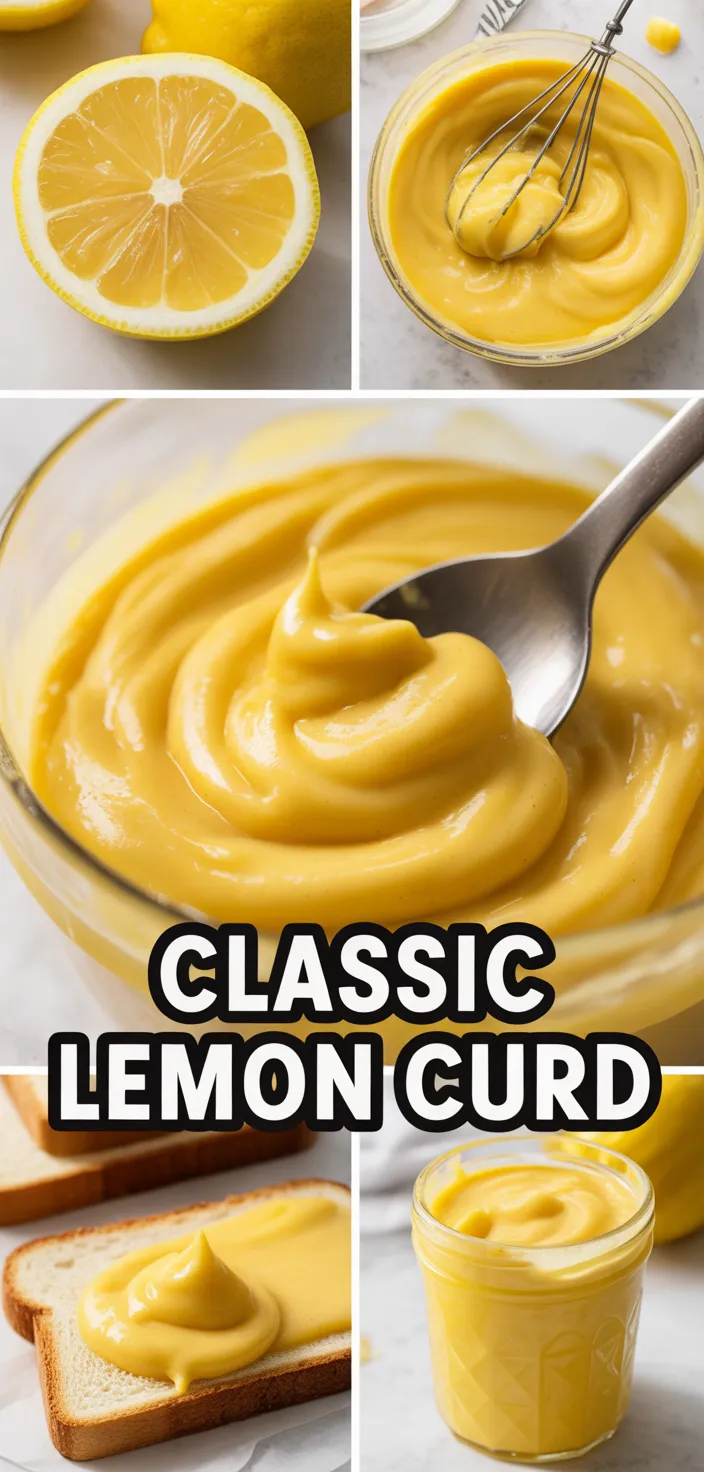
I never thought a tiny jar could cause such trouble, but this Classic Lemon Curd does. Perfectly tart, smooth and almost scandalously creamy, it flips any plain toast into something interesting, or hides like a secret filling.
I use eggs and lemon zest to get that bright, shiny lift, and the method is basically a Quick Lemon Curd trick when time is short. Sometimes I’ll spoon it straight from the jar instead of sharing, you know, for quality control.
It keeps popping up in my Lemon Dessert Recipes, and I’m not sorry about that. Try it once and you’ll understand why I keep a stash.
Ingredients
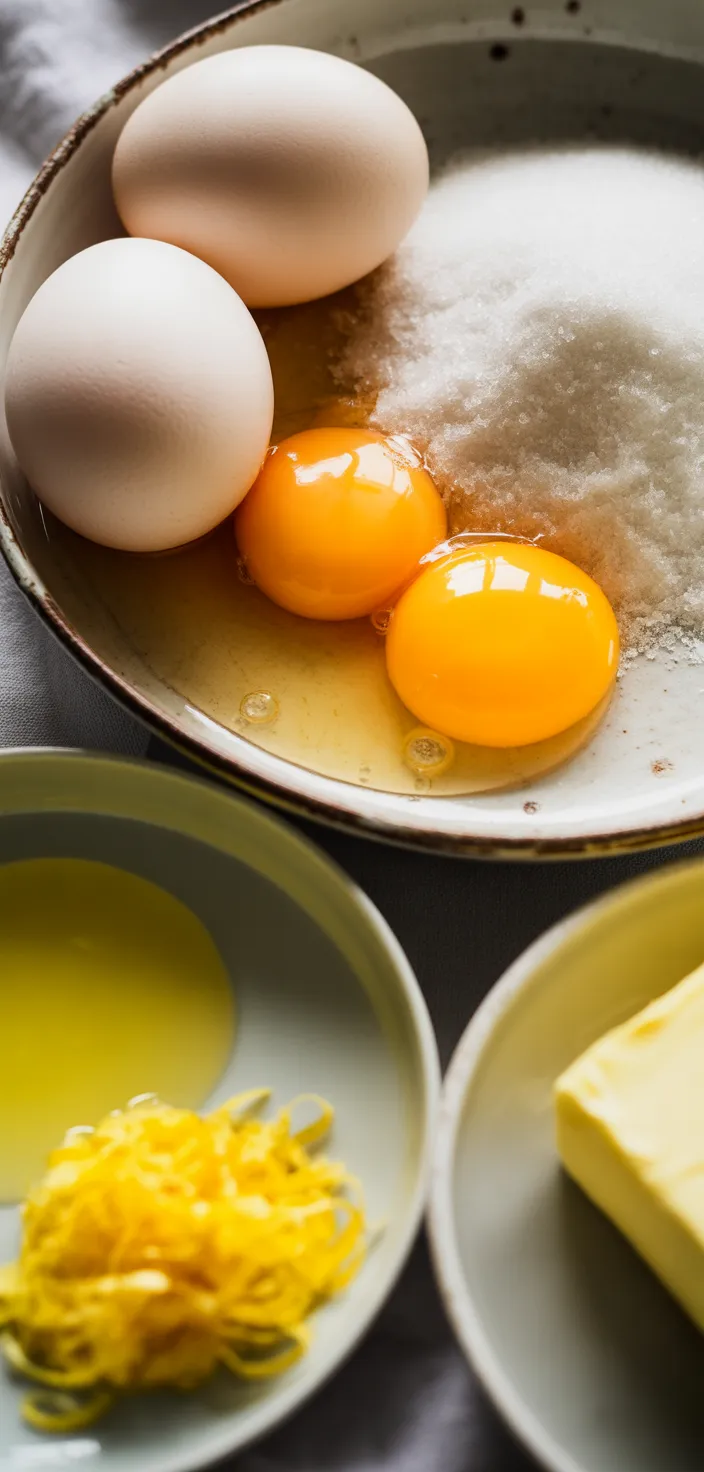
- Whole eggs add structure and protein they help curd thicken and hold together.
- Extra yolks bring extra fat and emulsification, result is creamier, silkier curd.
- Sugar sweetens and stabilizes texture but adds lots of carbs, so use wisely.
- So lemon juice brings bright acidity plus vitamin C, it cuts richness beautifully.
- Zest packs essential oils for punchy aroma and fresh lemon flavour, very important.
- Butter makes curd silky and rich, gives mouthfeel and a smooth finish.
- A pinch of salt wakes up sweetness and balances tartness, tiny but crucial.
Ingredient Quantities
- 3 large eggs
- 2 large egg yolks
- 3/4 cup granulated sugar (150 g)
- 1/2 cup fresh lemon juice (aprox 2 to 3 lemons)
- 2 tablespoons lemon zest (aprox 2 lemons)
- 6 tablespoons unsalted butter (about 85 g)
- pinch of salt (about 1/8 tsp)
How to Make this
1. Zest two lemons first, then juice about two to three lemons to get 1/2 cup fresh juice, set zest and juice aside — wait, sorry dont use that last symbol. Zest first or you’ll lose most of the oils.
2. In a medium heatproof bowl whisk together 3 large eggs, 2 large egg yolks, 3/4 cup granulated sugar (150 g) and a pinch of salt until the sugar is mostly dissolved and the mixture looks smooth.
3. Stir in the 1/2 cup fresh lemon juice and the 2 tablespoons lemon zest, mix well.
4. Place the bowl over a saucepan of simmering water (make sure the bottom of the bowl does not touch the water) and cook gently, stirring constantly with a whisk or silicone spatula, until the curd thickens and reaches about 170 to 175 degrees F or it coats the back of a spoon, about eight to twelve minutes. Do not let it boil or it will curdle.
5. Remove the bowl from the heat and immediately whisk in the 6 tablespoons unsalted butter (about 85 g), a piece at a time, until silky and fully incorporated.
6. Pour the curd through a fine mesh sieve into a clean bowl to catch any cooked egg bits and to smooth out the texture; press with a spatula if needed. If it still seems grainy you can blitz it briefly in a blender to rescue it.
7. Press plastic wrap directly onto the surface of the curd to prevent a skin, let cool to room temperature then refrigerate. The curd will thicken more as it chills.
8. Store in a clean jar in the refrigerator for one to two weeks, or freeze in portions for up to two months. Use for toast, tarts, cake filling or just eat by the spoonful, cause really who can resist.
Equipment Needed
1. microplane zester or fine grater for the lemon oils
2. citrus juicer or hand reamer to get about 1/2 cup juice
3. medium heatproof bowl (glass or stainless) for the double boiler step
4. small saucepan to hold simmering water
5. whisk and a silicone spatula to stir and finish the butter
6. instant read thermometer to hit about 170 to 175 F
7. fine mesh sieve and a clean bowl to strain the curd
8. plastic wrap (to press on the surface) and clean jars for storing
FAQ
Classic Lemon Curd Recipe Substitutions and Variations
- Granulated sugar: swap for 2/3 cup honey or pure maple syrup. Theyre sweeter and add liquid so cook a bit slower til thick or reduce lemon juice by about 1 tablespoon. Expect a deeper color and a flavor note from the sweetener.
- Fresh lemon juice: bottled lemon juice works at the same volume if you dont have fresh, though its less bright. Or use lime juice 1 to 1 for a different, sharper citrus twist.
- Lemon zest: if you cant zest fresh lemons use 1 to 2 teaspoons lemon extract stirred in off heat, or 1 tablespoon finely grated dried lemon peel for oilier flavor.
- Unsalted butter: use an equal amount of vegan butter or refined coconut oil. Coconut oil will make the curd set a bit firmer when cold and may add a faint coconut note, so pick refined if you want a neutral taste.
Pro Tips
– Zest before you juice, and use a fine microplane. Only grate the yellow skin, not the white pith, or the curd will turn bitter. You can freeze extra zest in a little bag for next time.
– Use a double boiler and a thermometer, aiming for 170 to 175 F. Stir constantly, low gentle heat, dont let it boil. If you dont have a thermometer, look for the mixture to coat the back of a spoon and hold its shape when you run your finger through it.
– Add the butter off the heat in small pieces, whisking until each bit is fully melted and emulsified, that keeps it silky. If the curd looks grainy or has cooked bits, push it through a fine sieve then blitz briefly in a blender or with an immersion blender to rescue it.
– Press plastic wrap right onto the surface to stop a skin, chill before sealing the jar, and freeze extra in tablespoon portions or an ice cube tray for quick single servings. To use frozen curd, thaw in the fridge then bring to room temp or warm gently while whisking so it loosens up.
8
servings
195
kcal
Equipment: 1. microplane zester or fine grater for the lemon oils
2. citrus juicer or hand reamer to get about 1/2 cup juice
3. medium heatproof bowl (glass or stainless) for the double boiler step
4. small saucepan to hold simmering water
5. whisk and a silicone spatula to stir and finish the butter
6. instant read thermometer to hit about 170 to 175 F
7. fine mesh sieve and a clean bowl to strain the curd
8. plastic wrap (to press on the surface) and clean jars for storing
Ingredients
-
3 large eggs
-
2 large egg yolks
-
3/4 cup granulated sugar (150 g)
-
1/2 cup fresh lemon juice (aprox 2 to 3 lemons)
-
2 tablespoons lemon zest (aprox 2 lemons)
-
6 tablespoons unsalted butter (about 85 g)
-
pinch of salt (about 1/8 tsp)
Directions
- Zest two lemons first, then juice about two to three lemons to get 1/2 cup fresh juice, set zest and juice aside — wait, sorry dont use that last symbol. Zest first or you'll lose most of the oils.
- In a medium heatproof bowl whisk together 3 large eggs, 2 large egg yolks, 3/4 cup granulated sugar (150 g) and a pinch of salt until the sugar is mostly dissolved and the mixture looks smooth.
- Stir in the 1/2 cup fresh lemon juice and the 2 tablespoons lemon zest, mix well.
- Place the bowl over a saucepan of simmering water (make sure the bottom of the bowl does not touch the water) and cook gently, stirring constantly with a whisk or silicone spatula, until the curd thickens and reaches about 170 to 175 degrees F or it coats the back of a spoon, about eight to twelve minutes. Do not let it boil or it will curdle.
- Remove the bowl from the heat and immediately whisk in the 6 tablespoons unsalted butter (about 85 g), a piece at a time, until silky and fully incorporated.
- Pour the curd through a fine mesh sieve into a clean bowl to catch any cooked egg bits and to smooth out the texture; press with a spatula if needed. If it still seems grainy you can blitz it briefly in a blender to rescue it.
- Press plastic wrap directly onto the surface of the curd to prevent a skin, let cool to room temperature then refrigerate. The curd will thicken more as it chills.
- Store in a clean jar in the refrigerator for one to two weeks, or freeze in portions for up to two months. Use for toast, tarts, cake filling or just eat by the spoonful, cause really who can resist.
Notes
- Below you’ll find my best estimate of this recipe’s nutrition facts. Treat the numbers as a guide rather than a rule—great food should nourish both body and spirit. Figures are approximate, and the website owner assumes no liability for any inaccuracies in this recipe.
Nutrition Facts
- Serving Size: 69g
- Total number of serves: 8
- Calories: 195kcal
- Fat: 11.6g
- Saturated Fat: 6.3g
- Trans Fat: 0.13g
- Polyunsaturated: 0.8g
- Monounsaturated: 3.1g
- Cholesterol: 139mg
- Sodium: 38mg
- Potassium: 50mg
- Carbohydrates: 19.8g
- Fiber: 0.3g
- Sugar: 19.1g
- Protein: 2.8g
- Vitamin A: 419IU
- Vitamin C: 5.8mg
- Calcium: 24mg
- Iron: 0.6mg