
I just made the French Butter Cake Recipe and, not kidding, it practically dissolves on your tongue so keep scrolling if you want to ruin your dinner plans.
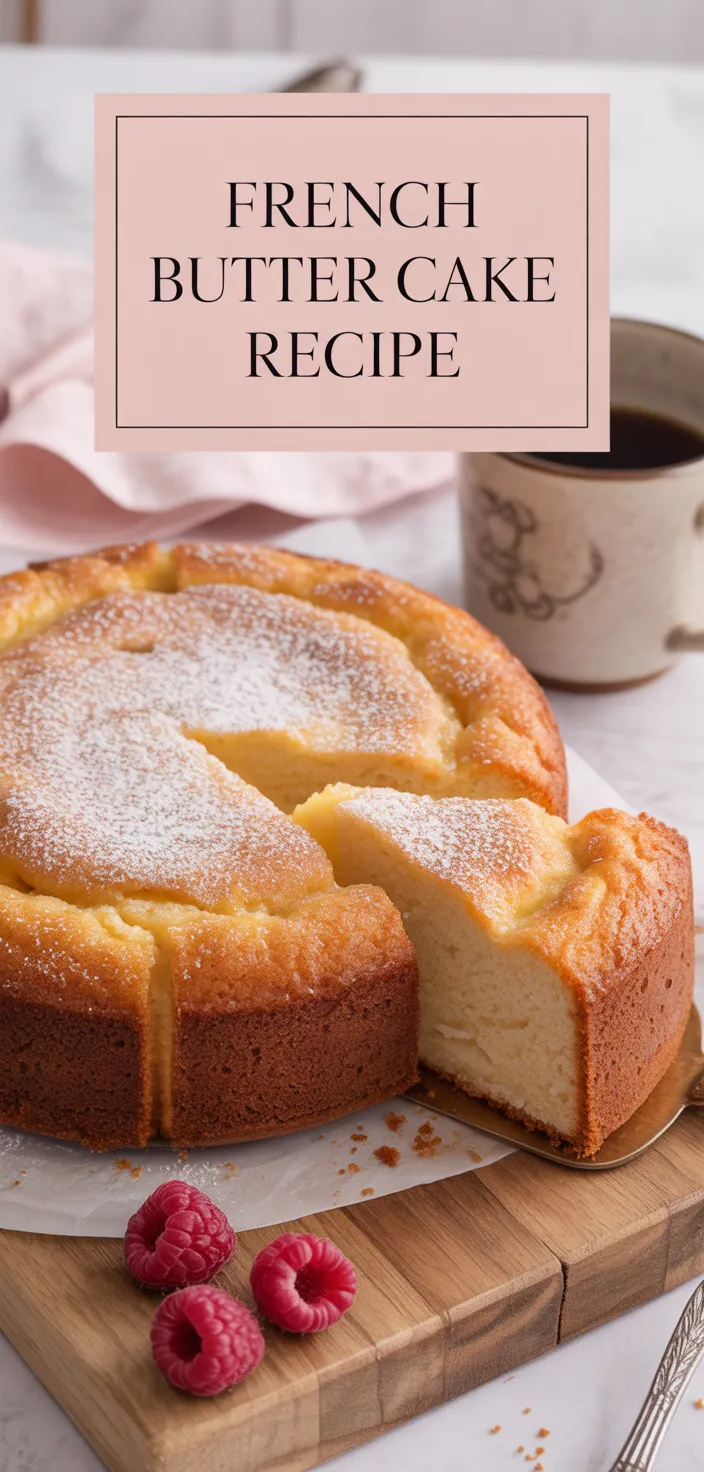
I’m obsessed with this French Butter Cake because it tastes like shiny, guilty joy. It’s a dense, tender thing that melts where it hits your tongue, no pretension.
I love that it lives on my counter and becomes a grab-and-go treat when the afternoon derails. I keep saying this is my favorite of the Buttery Cake Recipes, bold butter notes, the richness from unsalted butter and 3 large eggs, and a crumb that makes me forget time.
But once I start, I can’t help eating slice after slice. And I don’t split it, ever, no apologies, seriously friends at all.
Ingredients
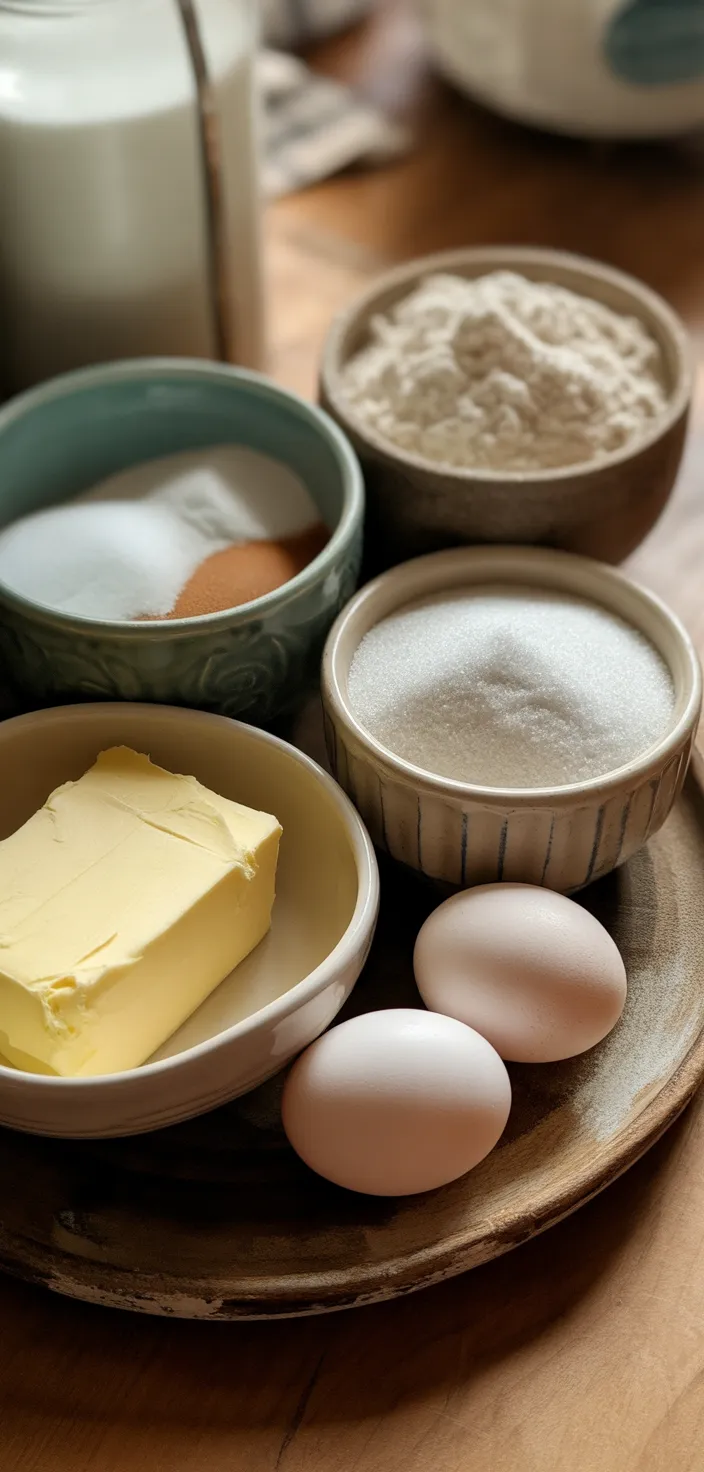
- Rich, creamy fat that keeps cake tender and unbelievably moist and buttery aroma.
- Sweetness and structure; helps browning and gives a fine crumb throughout.
- Adds protein, lift, and richness; binds everything together for lift.
- Basically warm, cozy flavor that makes it taste homemade and depth.
- Provides the cake’s body; keeps it from collapsing and adds chew.
- Leavens the batter so it’s light, not dense, without heaviness.
- Balances sweetness and sharpens other flavors without tasting salty, in tiny amounts.
- Adds silkiness and helps texture; add more for extra richness.
- Plus a pretty dusting; makes slices look bakery-ready, if you like.
Ingredient Quantities
- 1 cup (225 g) unsalted butter, softened
- 1 cup (200 g) granulated sugar
- 3 large eggs, at room temperature
- 2 teaspoons vanilla extract
- 1 1/2 cups (190 g) all purpose flour
- 2 teaspoons baking powder
- 1/4 teaspoon fine salt
- 3 tablespoons whole milk (or cream), plus more if needed
- Powdered sugar for dusting, optional
How to Make this
1. Preheat oven to 350°F (175°C). Grease and flour a 9-inch round or an 8×8 inch square pan, or line with parchment for easier removal.
2. In a large bowl, beat 1 cup (225 g) softened unsalted butter with 1 cup (200 g) granulated sugar until light and fluffy, about 3 to 5 minutes; stop and scrape the bowl a couple times.
3. Add 3 large room-temperature eggs one at a time, beating briefly after each so the mixture doesn’t curdle, then mix in 2 teaspoons vanilla extract.
4. Whisk together 1 1/2 cups (190 g) all purpose flour, 2 teaspoons baking powder and 1/4 teaspoon fine salt in a separate bowl so the leavener is evenly distributed.
5. Fold the dry ingredients into the butter mixture in two additions, using a spatula or low-speed mixer, until almost combined; avoid overmixing or the cake gets tough.
6. Stir in 3 tablespoons whole milk or cream to loosen the batter; it should be thick but pourable. If it seems too stiff add another teaspoon or two of milk.
7. Pour batter into prepared pan, smooth the top with a spatula and tap the pan once on the counter to release any big air bubbles.
8. Bake in center of oven for 30 to 40 minutes, check at 30. The cake is done when a toothpick in the center comes out with a few moist crumbs but no wet batter and the top is golden.
9. Let cake cool in the pan 10 minutes, then turn out onto a rack to cool completely. Dust with powdered sugar if you want, or serve slightly warm with coffee.
Equipment Needed
1. Oven (set to 350°F)
2. 9-inch round or 8×8 inch square baking pan, or pan plus parchment paper
3. Large mixing bowl and a smaller bowl for dry ingredients
4. Electric mixer or a good whisk (either works)
5. Rubber spatula for folding and scraping the bowl
6. Measuring cups and spoons
7. Wire whisk or sifter for flour, baking powder and salt
8. Cooling rack
9. Toothpick or cake tester
10. Nonstick spray or butter and extra flour for greasing the pan
FAQ
French Butter Cake Recipe Substitutions and Variations
- Unsalted butter: swap with equal weight melted coconut oil for a hint of coconut, or use vegan stick butter 1:1 if you want dairy free. Note, coconut oil can make the crumb a tad denser.
- Granulated sugar: use packed light brown sugar by weight 1:1 for a deeper, caramel flavor, or coconut sugar 1:1 for a less sweet, slightly nutty result. If using liquid sweeteners like honey, reduce other liquids a bit and use about 3/4 cup honey per 1 cup sugar.
- Eggs: replace each egg with 1 tbsp ground flaxseed mixed with 3 tbsp water (let sit 5 minutes) for binding, or 1/4 cup unsweetened applesauce for moisture if you dont need structure from eggs.
- Whole milk/cream: swap with equal parts plain yogurt or buttermilk for tang and tenderness, or use unsweetened almond or oat milk 1:1; to mimic buttermilk, add 1 tsp vinegar or lemon juice to 1 cup plant milk and let sit 5 minutes.
Pro Tips
Pro tips
1. Make sure the butter and eggs are truly at room temp. Cold eggs can make the batter seize and a butter thats too soft will make the cake dense.
2. Don’t overmix after you add the flour. Fold gently until just combined, a few streaks of flour are ok. Overworking the batter = tough cake.
3. Use the toothpick test but watch the edges too. If the center tests done but the edges are pulling away, it’s ready. If it bounces back a lot when you press the top, it needs more time.
4. Let it cool in the pan for only about 10 minutes. If you wait too long it can stick, too soon and it can fall apart. If you line the pan with parchment you can be less nervous.
Instructions rewritten like a real person wrote them
1. Preheat the oven to 350°F (175°C). Grease and flour a 9 inch round or an 8×8 square pan, or just line it with parchment, makes life easier when you want the cake out clean.
2. In a big bowl beat the softened butter with the sugar until its light and fluffy, about 3 to 5 minutes. Stop a couple times to scrape the sides so everything mixes evenly.
3. Crack the eggs into a small bowl first, then add them one at a time to the butter mixture. Beat briefly after each egg so the batter doesnt curdle. Once the eggs are in stir in the vanilla.
4. In another bowl whisk together the flour, baking powder and salt so the leavener is spread out and not clumping in one place.
5. Fold the dry stuff into the butter mix in two additions. Use a spatula or the mixer on low, and dont overdo it. Stop when it looks almost combined, a few streaks are fine.
6. Stir in the 3 tablespoons of milk or cream to loosen things up. The batter should be thick but pourable. If it feels like concrete add a teaspoon or two more milk.
7. Put the batter in the prepared pan, smooth the top with a spatula and give the pan one good tap on the counter to pop any big air bubbles.
8. Bake in the middle of the oven for 30 to 40 minutes. Check at 30. A toothpick in the center should come out with a few moist crumbs not raw batter, and the top should be golden.
9. Let the cake sit in the pan about 10 minutes, then turn it out onto a rack to cool the rest of the way. If you want dust with powdered sugar or serve it slightly warm with coffee.
French Butter Cake Recipe
I just made the French Butter Cake Recipe and, not kidding, it practically dissolves on your tongue so keep scrolling if you want to ruin your dinner plans.
12
servings
277
kcal
Equipment: 1. Oven (set to 350°F)
2. 9-inch round or 8×8 inch square baking pan, or pan plus parchment paper
3. Large mixing bowl and a smaller bowl for dry ingredients
4. Electric mixer or a good whisk (either works)
5. Rubber spatula for folding and scraping the bowl
6. Measuring cups and spoons
7. Wire whisk or sifter for flour, baking powder and salt
8. Cooling rack
9. Toothpick or cake tester
10. Nonstick spray or butter and extra flour for greasing the pan
Ingredients
-
1 cup (225 g) unsalted butter, softened
-
1 cup (200 g) granulated sugar
-
3 large eggs, at room temperature
-
2 teaspoons vanilla extract
-
1 1/2 cups (190 g) all purpose flour
-
2 teaspoons baking powder
-
1/4 teaspoon fine salt
-
3 tablespoons whole milk (or cream), plus more if needed
-
Powdered sugar for dusting, optional
Directions
- Preheat oven to 350°F (175°C). Grease and flour a 9-inch round or an 8×8 inch square pan, or line with parchment for easier removal.
- In a large bowl, beat 1 cup (225 g) softened unsalted butter with 1 cup (200 g) granulated sugar until light and fluffy, about 3 to 5 minutes; stop and scrape the bowl a couple times.
- Add 3 large room-temperature eggs one at a time, beating briefly after each so the mixture doesn't curdle, then mix in 2 teaspoons vanilla extract.
- Whisk together 1 1/2 cups (190 g) all purpose flour, 2 teaspoons baking powder and 1/4 teaspoon fine salt in a separate bowl so the leavener is evenly distributed.
- Fold the dry ingredients into the butter mixture in two additions, using a spatula or low-speed mixer, until almost combined; avoid overmixing or the cake gets tough.
- Stir in 3 tablespoons whole milk or cream to loosen the batter; it should be thick but pourable. If it seems too stiff add another teaspoon or two of milk.
- Pour batter into prepared pan, smooth the top with a spatula and tap the pan once on the counter to release any big air bubbles.
- Bake in center of oven for 30 to 40 minutes, check at 30. The cake is done when a toothpick in the center comes out with a few moist crumbs but no wet batter and the top is golden.
- Let cake cool in the pan 10 minutes, then turn out onto a rack to cool completely. Dust with powdered sugar if you want, or serve slightly warm with coffee.
Notes
- Below you’ll find my best estimate of this recipe’s nutrition facts. Treat the numbers as a guide rather than a rule—great food should nourish both body and spirit. Figures are approximate, and the website owner assumes no liability for any inaccuracies in this recipe.
Nutrition Facts
- Serving Size: 67.5g
- Total number of serves: 12
- Calories: 277kcal
- Fat: 16.81g
- Saturated Fat: 10.08g
- Trans Fat: 0.57g
- Polyunsaturated: 0.62g
- Monounsaturated: 4.19g
- Cholesterol: 87mg
- Sodium: 21.78mg
- Potassium: 44.32mg
- Carbohydrates: 29.03g
- Fiber: 0.43g
- Sugar: 17g
- Protein: 3.37g
- Vitamin A: 195IU
- Vitamin C: 0mg
- Calcium: 18.11mg
- Iron: 0.42mg