
I get perfectly fluffy, glossy Japanese short grain rice without a rice cooker, just tender grains with that irresistible plump bite. Keep scrolling for the simple pot method that makes every bowl feel restaurant-worthy.
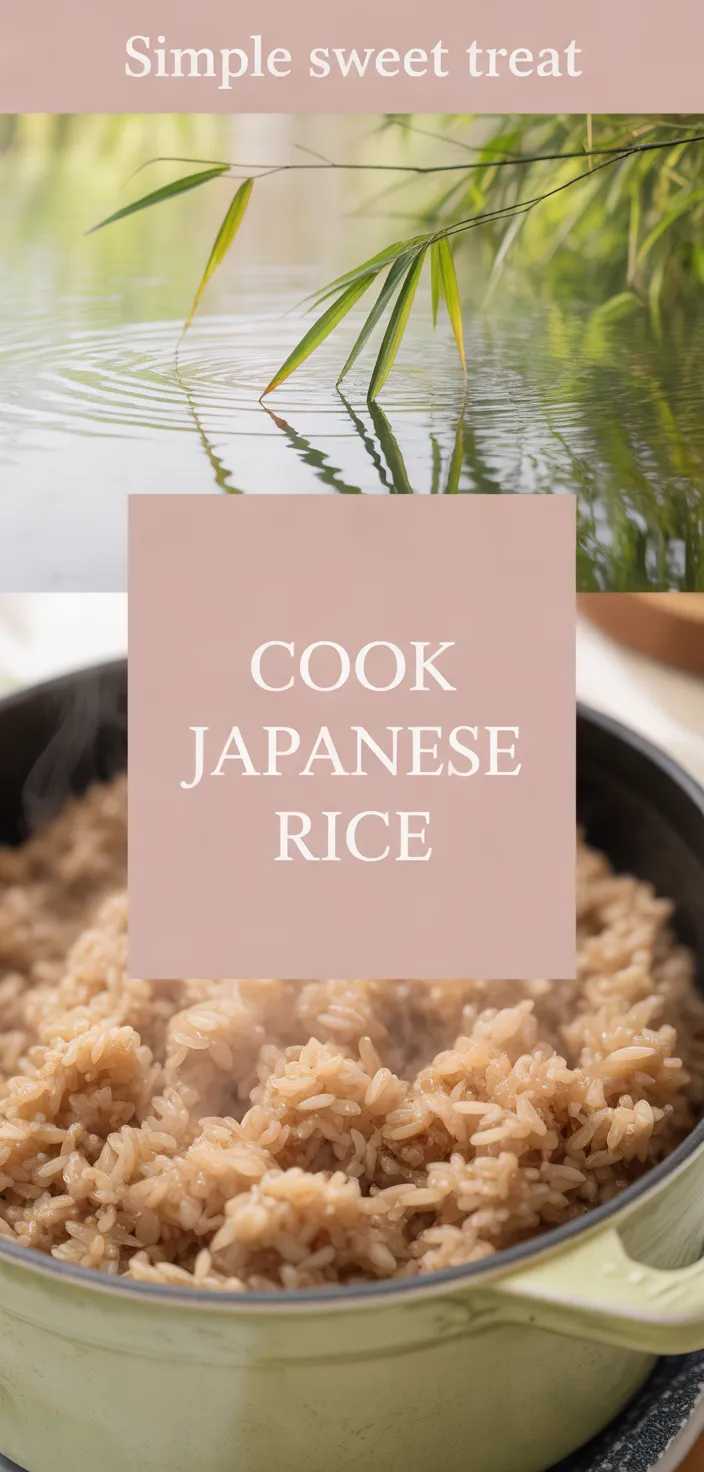
I’m obsessed with Japanese short grain rice because it’s the rice I want under everything, next to everything, and honestly, by itself. Those glossy little grains cling just enough, with that clean, slightly sweet bite I never get tired of.
I love how Japanese short grain rice turns a basic meal into something I actually crave, whether I’m piling on saucy chicken, tucking it beside grilled fish, or sneaking bites straight from the pot. But the real magic is the texture.
Tender, plump, and satisfyingly sticky. And yes, all it needs is cold water to become the best part of dinner.
Ingredients
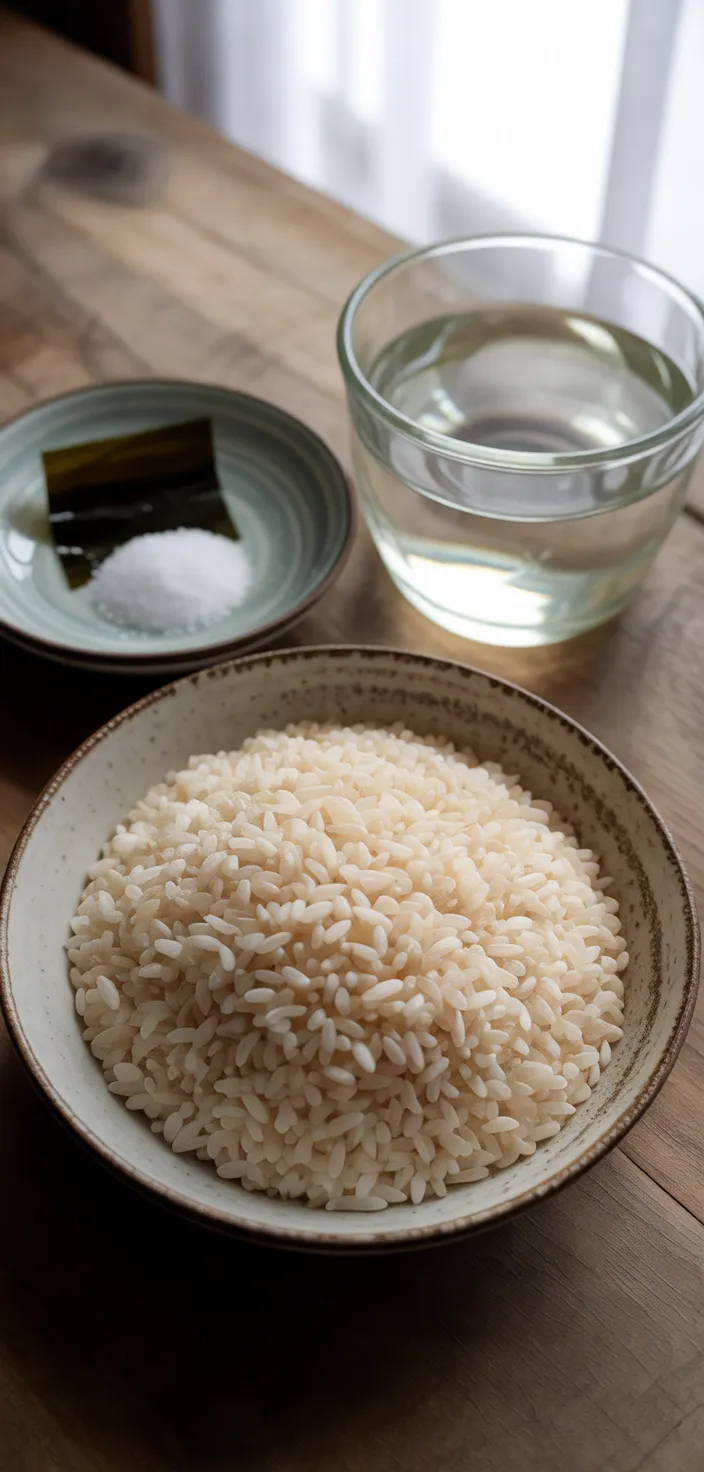
- Japanese short grain rice gets tender and sticky, but not mushy when treated right.
- It’s the cozy, clingy rice you want for bowls, curry, and onigiri.
- Cold water helps the grains cook evenly, so you don’t get weird hard centers.
- A little less water gives firmer rice, while more makes it softer.
- Fine sea salt is optional, but it quietly makes the rice taste more alive.
- Plus, kombu adds gentle umami without making the rice taste like seaweed soup.
- Basically, these simple extras turn plain rice into something you’ll actually crave.
Ingredient Quantities
- 1 cup (180 g) Japanese short grain rice
- 200 to 220 ml cold water per 1 cup rice (about 1 to 1 1/8 cups water)
- Pinch of fine sea salt (optional)
- Small piece of kombu kelp, about 3 to 4 cm (optional, for extra umami)
How to Make this
1. Measure 1 cup (180 g) Japanese short grain rice into a bowl or sieve.
2. Rinse the rice under cold water, gently stirring with your hand, until the water runs almost clear to remove excess starch. Drain. Repeat rinsing 3 to 5 times if needed.
3. Transfer the drained rice to a small heavy-bottomed pot with a tight-fitting lid. Add 200 to 220 ml cold water for 1 cup rice, a pinch of fine sea salt if using, and the 3 to 4 cm piece of kombu kelp if using.
4. Gently level the rice and press the kombu down so it is partially submerged but not crumpled.
5. Cover the pot and let the rice soak in the cold water for 30 minutes at room temperature. If you are short on time, soak at least 10 to 15 minutes.
6. After soaking, place the pot over medium-high heat and bring to a steady boil with the lid on. Keep an eye on it to avoid boiling over.
7. As soon as it boils, reduce the heat to the lowest setting and simmer, covered, for 12 to 15 minutes, until the water is absorbed and the rice surface looks matte and set.
8. Turn off the heat and leave the pot, still covered, to steam for 10 to 15 minutes. Do not lift the lid during this resting period.
9. Remove the kombu, if used. Gently fluff the rice with a rice paddle or fork to separate the grains and release excess steam.
10. Serve immediately or keep covered until ready to use. If storing, transfer to a warm container and avoid refrigerating for best texture.
Equipment Needed
1. Measuring cup or kitchen scale (for 1 cup / 180 g rice)
2. Large bowl or fine mesh sieve (for rinsing and draining)
3. Small heavy bottomed pot with tight fitting lid (about 1.5 to 2 quart)
4. Rice paddle or fork (for fluffing)
5. Wooden or silicone spatula (to level rice and press kombu)
6. Kitchen timer or clock (to track soaking, simmering and steaming times)
7. Small spoon or measuring spoon (for pinching sea salt)
8. Serving bowl or warm container (for holding rice before use)
FAQ
How To Cook Japanese Short Grain Rice On The Stove Recipe Substitutions and Variations
How to Cook Japanese Short Grain Rice On The Stove
Ingredients
1 cup (180 g) Japanese short grain rice
200 to 220 ml cold water per 1 cup rice (about 1 to 1 1 1/8 cups water)
Pinch of fine sea salt (optional)
Small piece of kombu kelp, about 3 to 4 cm (optional, for extra umami)
Method
1. Rinse the rice: Place rice in a bowl and cover with cold water. Gently swirl with your hand, drain, and repeat until the water is nearly clear. This removes excess surface starch for clean, separate grains.
2. Soak: Drain the rinsed rice and let it soak in the measured cold water for 20 to 30 minutes at room temperature. Soaking helps the grains absorb water evenly and cook more gently.
3. Add salt and kombu if using: Put the soaked rice, the water, a pinch of fine sea salt, and the kombu into a medium saucepan. If you use kombu remove it just before the water reaches a boil or after simmering for a few minutes to avoid bitterness.
4. Bring to a gentle boil over medium heat uncovered. Once it reaches a steady simmer with small bubbles, reduce the heat to the lowest setting and cover tightly with a lid.
5. Simmer: Cook on very low heat for 12 to 15 minutes until the water is absorbed and the rice surface looks cooked. Avoid lifting the lid while cooking.
6. Rest: Turn off the heat and let the pot sit, covered, for 10 minutes. This final steam step evens out texture.
7. Fluff and serve: Remove the lid, take out the kombu if used, and gently fluff the rice with a rice paddle or fork. Serve warm.
Tips
Use a heavy based pot with a tight fitting lid for best heat control. If your rice is a little hard after cooking add a tablespoon or two of hot water, cover, and steam for another 5 minutes. For sushi use just a touch less water and cool with a gentle fanning while seasoning.
Substitutions
- Rice: medium grain rice such as Calrose or labeled sushi rice works if you cannot find Japanese short grain rice
- Water: light dashi or low sodium vegetable broth for extra flavor in place of plain water
- Fine sea salt: a small splash of low sodium soy sauce or a pinch of kosher salt can be used instead
- Kombu kelp: dried shiitake mushrooms or a teaspoon of bonito flakes added to the cooking water give a similar umami boost
Pro Tips
1) Use the lower end of the water range if you like firmer grains, the higher end if you prefer them a touch softer. Slight changes of 5 to 10 ml make a noticeable difference, so adjust gradually until it matches your preference.
2) If you can, extend the soak to 45 minutes, especially in cooler kitchens. Longer soaking allows the grains to hydrate evenly and yields a nicer texture after steaming.
3) Keep the kombu in during the full cook and only remove it after the resting period. That way you get maximum umami without letting the kelp collapse into the rice.
4) Fluff gently with a rice paddle or fork and fold rather than stirring vigorously. That releases trapped steam without crushing the grains and helps keep the rice glossy and separate.
How To Cook Japanese Short Grain Rice On The Stove Recipe
I get perfectly fluffy, glossy Japanese short grain rice without a rice cooker, just tender grains with that irresistible plump bite. Keep scrolling for the simple pot method that makes every bowl feel restaurant-worthy.
3
servings
216
kcal
Equipment: 1. Measuring cup or kitchen scale (for 1 cup / 180 g rice)
2. Large bowl or fine mesh sieve (for rinsing and draining)
3. Small heavy bottomed pot with tight fitting lid (about 1.5 to 2 quart)
4. Rice paddle or fork (for fluffing)
5. Wooden or silicone spatula (to level rice and press kombu)
6. Kitchen timer or clock (to track soaking, simmering and steaming times)
7. Small spoon or measuring spoon (for pinching sea salt)
8. Serving bowl or warm container (for holding rice before use)
Ingredients
-
1 cup (180 g) Japanese short grain rice
-
200 to 220 ml cold water per 1 cup rice (about 1 to 1 1/8 cups water)
-
Pinch of fine sea salt (optional)
-
Small piece of kombu kelp, about 3 to 4 cm (optional, for extra umami)
Directions
- Measure 1 cup (180 g) Japanese short grain rice into a bowl or sieve.
- Rinse the rice under cold water, gently stirring with your hand, until the water runs almost clear to remove excess starch. Drain. Repeat rinsing 3 to 5 times if needed.
- Transfer the drained rice to a small heavy-bottomed pot with a tight-fitting lid. Add 200 to 220 ml cold water for 1 cup rice, a pinch of fine sea salt if using, and the 3 to 4 cm piece of kombu kelp if using.
- Gently level the rice and press the kombu down so it is partially submerged but not crumpled.
- Cover the pot and let the rice soak in the cold water for 30 minutes at room temperature. If you are short on time, soak at least 10 to 15 minutes.
- After soaking, place the pot over medium-high heat and bring to a steady boil with the lid on. Keep an eye on it to avoid boiling over.
- As soon as it boils, reduce the heat to the lowest setting and simmer, covered, for 12 to 15 minutes, until the water is absorbed and the rice surface looks matte and set.
- Turn off the heat and leave the pot, still covered, to steam for 10 to 15 minutes. Do not lift the lid during this resting period.
- Remove the kombu, if used. Gently fluff the rice with a rice paddle or fork to separate the grains and release excess steam.
- Serve immediately or keep covered until ready to use. If storing, transfer to a warm container and avoid refrigerating for best texture.
Notes
- Below you’ll find my best estimate of this recipe’s nutrition facts. Treat the numbers as a guide rather than a rule—great food should nourish both body and spirit. Figures are approximate, and the website owner assumes no liability for any inaccuracies in this recipe.
Nutrition Facts
- Serving Size: 127g
- Total number of serves: 3
- Calories: 216kcal
- Fat: 0.5g
- Saturated Fat: 0.1g
- Trans Fat: 0g
- Polyunsaturated: 0.2g
- Monounsaturated: 0.1g
- Cholesterol: 0mg
- Sodium: 5mg
- Potassium: 80mg
- Carbohydrates: 48g
- Fiber: 0.6g
- Sugar: 0.1g
- Protein: 4g
- Vitamin A: 0IU
- Vitamin C: 0mg
- Calcium: 7mg
- Iron: 0.6mg