
I’ll share my best cake frosting tips for getting buttercream perfectly smooth so you’ll finally feel confident tackling that bakery-style finish.
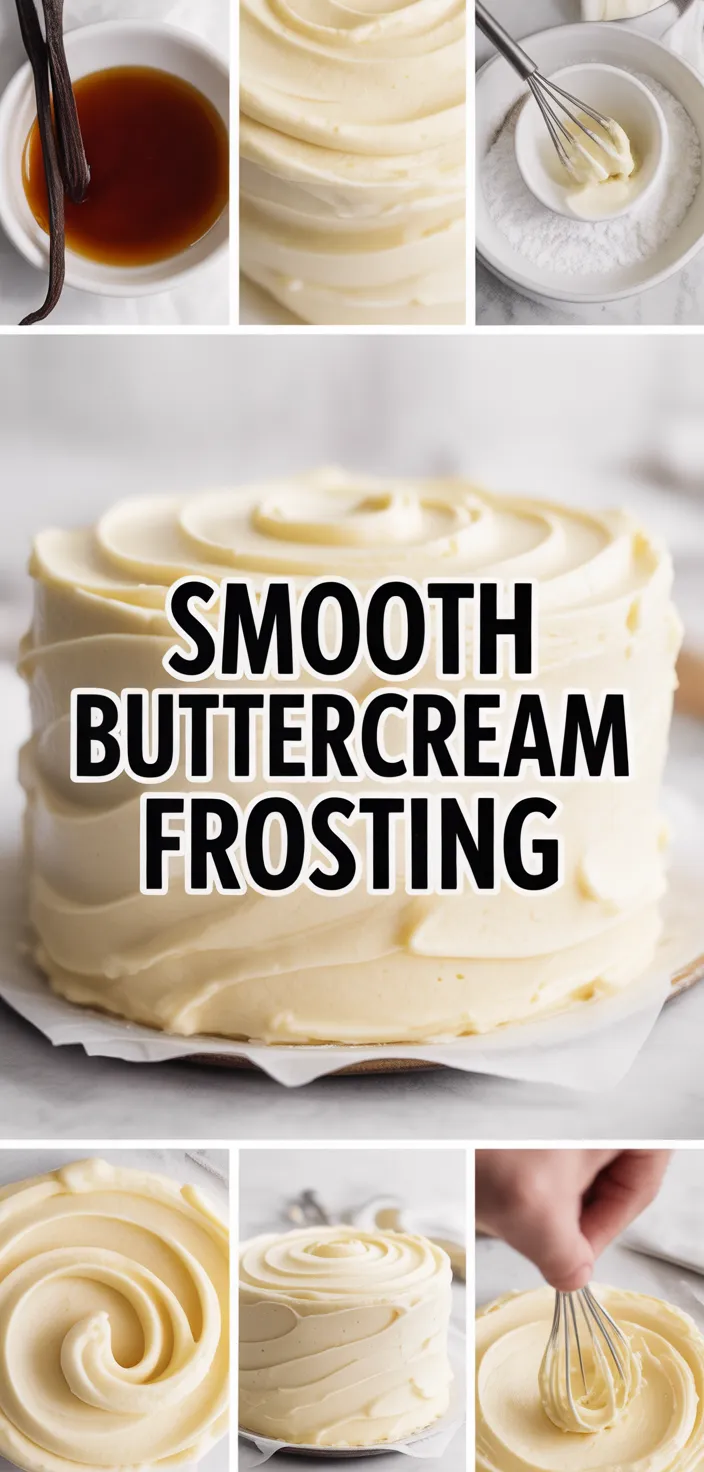
I love teaching people how to frost a cake with smooth buttercream. In this guide I spill my favorite tips, the quick hacks i don’t always tell, and the small things that make the frosting look pro.
You’ll see why good unsalted butter and a splash of pure vanilla extract change everything, and why one tiny trick saves hours. If you’ve ever stared at a lopsided cake and wished for a clean finish, this is for you.
I’ll even cover common mistakes and how to fix them. Curious about How To Smooth Frosting On A Cake?
Read on.
Ingredients
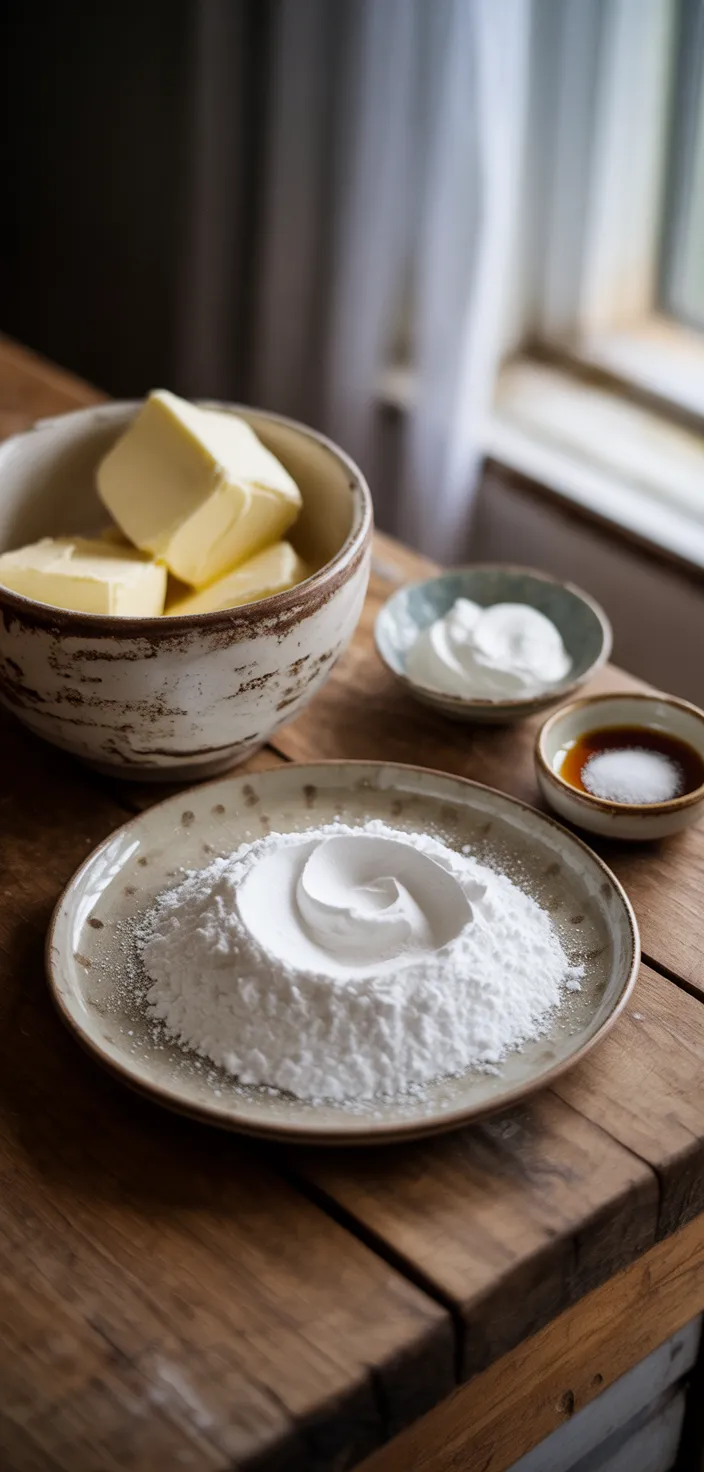
- Adds rich butter fat and flavor, high in saturated fat, gives smooth mouthfeel
- Main sweetener pure carbs no fiber, can make frosting very sweet and clumpy
- Adds creaminess and fat, helps texture, some protein, few carbs, slightly tangy
- Tiny amount, adds aroma and perceived sweetness, no real nutrients, boosts flavor
- Optional for shine and gloss, mostly sugars, prevents crystallization and graininess
- Stabilizes frosting in heat, adds fat, may include trans fat, use sparingly
- Concentrated color without extra liquid, adds no nutrients, tiny amounts, stains fingers
- Balances sweetness, enhances flavor, contributes sodium if used a lot, too much makes salty
Ingredient Quantities
- 1 cup (2 sticks, 226 g) unsalted butter, softened
- 4 to 5 cups (480 to 600 g) powdered sugar, sifted
- 2 to 4 tbsp heavy cream or whole milk
- 1 to 2 tsp pure vanilla extract
- 1/4 tsp fine salt or more if using salted butter
- 1 to 2 tbsp light corn syrup, optional for shine
- 1/4 cup vegetable shortening, optional for hot weather stability
- Gel food coloring, optional, a few drops as needed
How to Make this
1. Make sure 1 cup (2 sticks, 226 g) unsalted butter is fully softened, and sift 4 to 5 cups (480 to 600 g) powdered sugar so there are no lumps.
2. In a mixer with the paddle or using a hand mixer beat the softened butter about 3 to 5 minutes on medium high until pale and fluffy, scrape the bowl down occasionally.
3. With the mixer on low add the sifted powdered sugar a cup at a time so it doesnt fly everywhere, add 1/4 teaspoon fine salt as you go and scrape the bowl between additions.
4. Add 2 to 4 tablespoons heavy cream or whole milk, 1 to 2 teaspoons pure vanilla extract and 1 to 2 tablespoons light corn syrup if you want a shiny finish, then beat on medium until smooth and spreadable; if it looks too stiff add a teaspoon of cream at a time, if too thin add more powdered sugar.
5. For hot weather stability or extra structure fold in up to 1/4 cup vegetable shortening, start with a couple tablespoons and mix until fully incorporated, it helps keep the buttercream from melting but will change the flavor slightly.
6. If coloring, use gel food coloring a few drops at a time and mix until even, dont add liquid food color cause it will thin the buttercream.
7. Put a thin crumb coat on your cooled cake using an offset spatula to trap crumbs, chill the cake 15 to 30 minutes in the fridge until the crumb coat is set.
8. Apply the final coat with a generous amount of buttercream, use an offset spatula to smooth the top and a bench scraper held vertical while you slowly turn the cake on a turntable to get flat sides, scrape off excess and repeat until smooth.
9. For a glassy finish heat a metal spatula or bench scraper in hot water, dry it quickly with a towel and gently glide it around the cake to smooth, reheat and dry as needed; chill briefly to set. Quick troubleshooting: if its too soft add powdered sugar or a little shortening, too stiff add cream, and avoid overbeating or you’ll aerate it and make the finish bumpy.
Equipment Needed
1. Stand mixer with paddle attachment or a sturdy hand mixer — for creaming the butter until pale and fluffy, you can use either one.
2. Large mixing bowl — for holding sifted powdered sugar if you prefer to add it by hand.
3. Fine mesh sieve or flour sifter — to get 4 to 5 cups powdered sugar lump free.
4. Measuring cups and teaspoons — precise amounts matter, especially sugar and cream.
5. Silicone or rubber spatula — scrape the bowl between additions, save time and buttercream.
6. Offset spatula (small and medium) — perfect for the crumb coat and spreading the final layer.
7. Bench scraper — hold vertical while turning the cake for flat, even sides.
8. Cake turntable — makes smoothing with the bench scraper much easier and faster.
9. Metal spatula or metal bench scraper (for glazing) — heat in hot water, dry and glide it for a glassy finish.
FAQ
How To Frost A Cake With Smooth Buttercream Recipe Substitutions and Variations
- Unsalted butter: swap with salted butter, just cut the added salt by about 1/4 tsp, or use an equal amount of vegan buttery spread (like Earth Balance) for dairy free, but the frosting might be a bit softer; for extra heat stability use half butter and half vegetable shortening.
- Powdered sugar: make your own by blitzing 1 cup granulated sugar with 1 tbsp cornstarch in a blender until powdery, weigh if you can (about 120 g per cup), or for Swiss meringue style buttercream use superfine sugar instead of powdered sugar.
- Heavy cream or whole milk: swap with half and half, or use whole milk plus 1 tbsp melted butter per 1/4 cup to mimic cream, or use canned coconut cream for a dairy free option, it will add a touch of coconut flavor.
- Light corn syrup or vegetable shortening: replace corn syrup with light honey or golden syrup in the same amount for shine, or use glucose syrup; for shortening use white vegetable shortening 1 to 1 for hot weather, or increase butter and add a little neutral oil for a softer but more heat tolerant frosting.
Pro Tips
1) Make sure the butter is truly softened, not melted. Cut it into small cubes and let it sit at room temp 30 to 45 minutes, or soften in 5 to 8 second microwave bursts if you must, then cool a few minutes. If your butter melts, pop the bowl in the fridge till it firms a bit then re-whip, otherwise the texture will be greasy.
2) For hot weather stability add shortening gradually, starting with 1 to 2 tablespoons, then taste and add more only if needed. Chill the filled cake 10 to 20 minutes between coats so the crumb coat sets; that helps you get smooth sides without the buttercream sliding off.
3) Color smart: always use gel or powdered color, a few drops at a time. For deep colors tint a small portion very dark first, then fold that into the rest to avoid streaks and overworking the whole batch. If it gets too soft while coloring, chill briefly.
4) Smooth like a pro: warm a metal spatula or bench scraper in hot water, dry it completely, then glide it gently while turning the cake slowly. Reheat and dry as needed, and avoid overbeating the buttercream right before finishing or you will trap air and get a bumpy finish.
How To Frost A Cake With Smooth Buttercream Recipe
I’ll share my best cake frosting tips for getting buttercream perfectly smooth so you’ll finally feel confident tackling that bakery-style finish.
24
servings
185.3
kcal
Equipment: 1. Stand mixer with paddle attachment or a sturdy hand mixer — for creaming the butter until pale and fluffy, you can use either one.
2. Large mixing bowl — for holding sifted powdered sugar if you prefer to add it by hand.
3. Fine mesh sieve or flour sifter — to get 4 to 5 cups powdered sugar lump free.
4. Measuring cups and teaspoons — precise amounts matter, especially sugar and cream.
5. Silicone or rubber spatula — scrape the bowl between additions, save time and buttercream.
6. Offset spatula (small and medium) — perfect for the crumb coat and spreading the final layer.
7. Bench scraper — hold vertical while turning the cake for flat, even sides.
8. Cake turntable — makes smoothing with the bench scraper much easier and faster.
9. Metal spatula or metal bench scraper (for glazing) — heat in hot water, dry and glide it for a glassy finish.
Ingredients
-
1 cup (2 sticks, 226 g) unsalted butter, softened
-
4 to 5 cups (480 to 600 g) powdered sugar, sifted
-
2 to 4 tbsp heavy cream or whole milk
-
1 to 2 tsp pure vanilla extract
-
1/4 tsp fine salt or more if using salted butter
-
1 to 2 tbsp light corn syrup, optional for shine
-
1/4 cup vegetable shortening, optional for hot weather stability
-
Gel food coloring, optional, a few drops as needed
Directions
- Make sure 1 cup (2 sticks, 226 g) unsalted butter is fully softened, and sift 4 to 5 cups (480 to 600 g) powdered sugar so there are no lumps.
- In a mixer with the paddle or using a hand mixer beat the softened butter about 3 to 5 minutes on medium high until pale and fluffy, scrape the bowl down occasionally.
- With the mixer on low add the sifted powdered sugar a cup at a time so it doesnt fly everywhere, add 1/4 teaspoon fine salt as you go and scrape the bowl between additions.
- Add 2 to 4 tablespoons heavy cream or whole milk, 1 to 2 teaspoons pure vanilla extract and 1 to 2 tablespoons light corn syrup if you want a shiny finish, then beat on medium until smooth and spreadable; if it looks too stiff add a teaspoon of cream at a time, if too thin add more powdered sugar.
- For hot weather stability or extra structure fold in up to 1/4 cup vegetable shortening, start with a couple tablespoons and mix until fully incorporated, it helps keep the buttercream from melting but will change the flavor slightly.
- If coloring, use gel food coloring a few drops at a time and mix until even, dont add liquid food color cause it will thin the buttercream.
- Put a thin crumb coat on your cooled cake using an offset spatula to trap crumbs, chill the cake 15 to 30 minutes in the fridge until the crumb coat is set.
- Apply the final coat with a generous amount of buttercream, use an offset spatula to smooth the top and a bench scraper held vertical while you slowly turn the cake on a turntable to get flat sides, scrape off excess and repeat until smooth.
- For a glassy finish heat a metal spatula or bench scraper in hot water, dry it quickly with a towel and gently glide it around the cake to smooth, reheat and dry as needed; chill briefly to set. Quick troubleshooting: if its too soft add powdered sugar or a little shortening, too stiff add cream, and avoid overbeating or you'll aerate it and make the finish bumpy.
Notes
- Below you’ll find my best estimate of this recipe’s nutrition facts. Treat the numbers as a guide rather than a rule—great food should nourish both body and spirit. Figures are approximate, and the website owner assumes no liability for any inaccuracies in this recipe.
Nutrition Facts
- Serving Size: 36.8g
- Total number of serves: 24
- Calories: 185.3kcal
- Fat: 10.38g
- Saturated Fat: 5.65g
- Trans Fat: 0.05g
- Polyunsaturated: 0.98g
- Monounsaturated: 2.54g
- Cholesterol: 22.3mg
- Sodium: 26mg
- Potassium: 5.1mg
- Carbohydrates: 23.48g
- Fiber: 0g
- Sugar: 23.48g
- Protein: 0.1g
- Vitamin A: 65.6IU
- Vitamin C: 0mg
- Calcium: 3.6mg
- Iron: 0.01mg