
I finally perfected my lemon cake with lemon curd and lemon buttercream thanks to one unexpected pantry swap that changes how the layers come together.
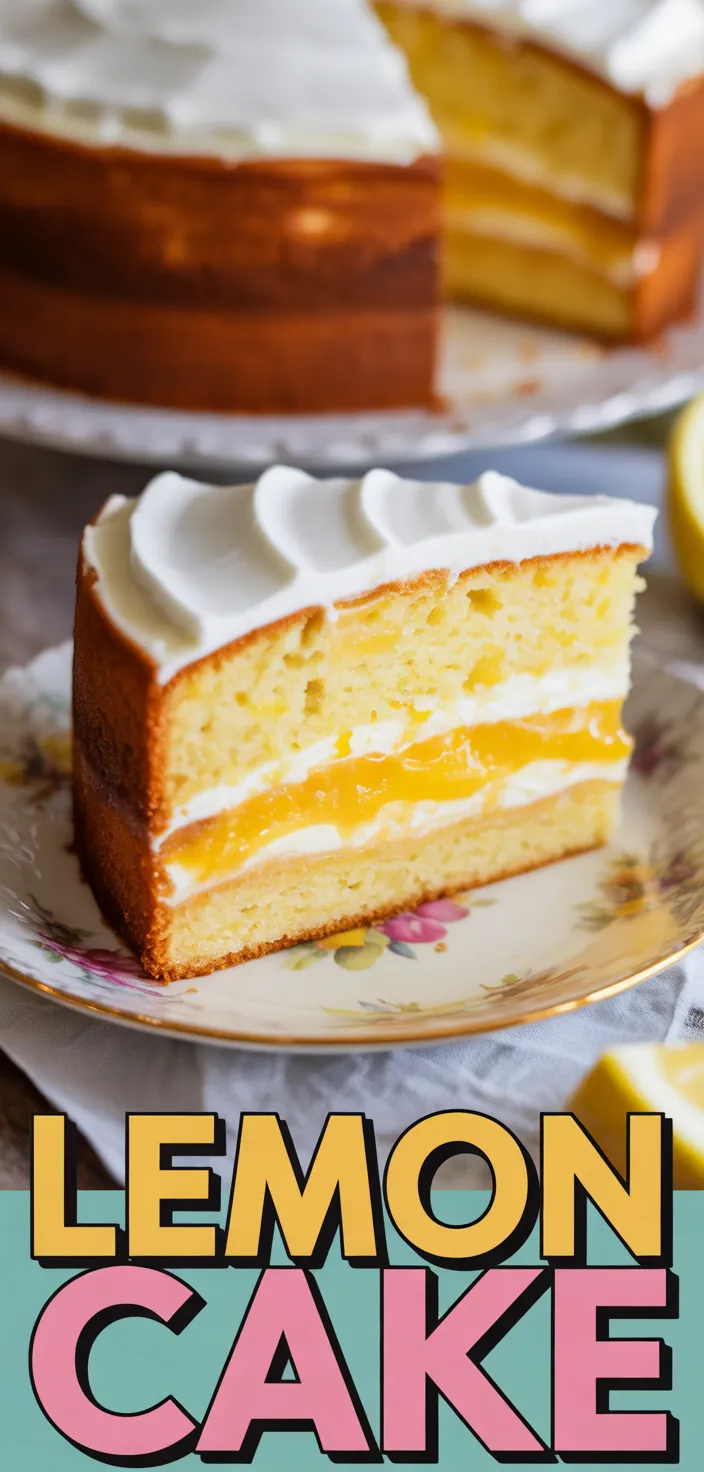
I keep coming back to this Lemon Cake because it somehow hits everywhere at once. Luscious lemon cake layers meet a silky homemade lemon curd and a light fluffy frosting so it’s instantly classic but still kind of surprising.
I use lots of lemon zest so every bite sings, and unsalted butter gives the crumbs a rich, clean mouthfeel you don’t expect. Sometimes I get lost imagining how this fits among Lemon Layer Cakes on a party table and then I remember this is really a Lemon Cake With Lemon Curd And Lemon Buttercream that steals the show.
Try not to eat it all yourself, I failed.
Ingredients
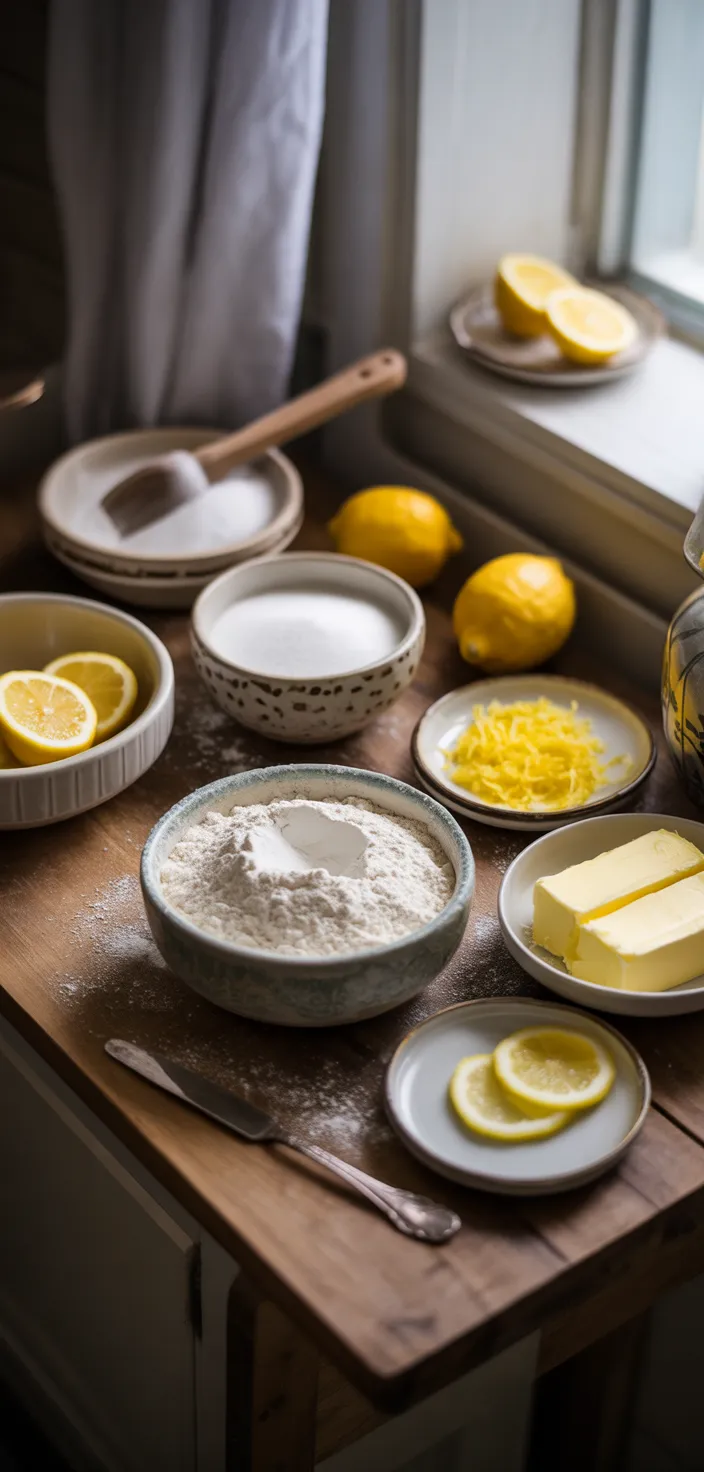
- All purpose flour gives structure, carbs for energy, little protein, and a tender crumb.
- Butter adds richness, fat for mouthfeel and flavor, makes cake moist but calorie dense.
- Eggs bind, add protein and structure, help rise, and give a nice golden color.
- Lemon zest and juice gives bright sour tang, vitamin C, and fragrant citrus lift.
- Granulated sugar sweetens, tenderizes crumb, feeds buttercream, but it spikes blood sugar.
- Sour cream or yogurt add tang, moisture and a slight acidity that keeps cake tender.
- Buttercream: butter and sugar make creamy frosting, adjustable sweetness, add richness and balance lemon.
Ingredient Quantities
- For the cake layers
- 2 1/2 cups (312 g) all purpose flour
- 2 1/2 tsp baking powder
- 1/2 tsp baking soda
- 1/2 tsp fine salt
- 1 cup (226 g) unsalted butter, softened about 2 sticks
- 1 3/4 cups (350 g) granulated sugar
- 4 large eggs, room temp
- 2 tbsp freshly grated lemon zest, about 2 lemons
- 1/4 cup (60 ml) fresh lemon juice
- 1/2 cup (120 g) sour cream or plain yogurt, room temp
- 1/2 cup (120 ml) whole milk, room temp
- 2 tsp vanilla extract
- For the lemon curd
- 1/2 cup (120 ml) fresh lemon juice, about 2 to 3 lemons
- 2 tbsp lemon zest
- 3/4 cup (150 g) granulated sugar
- 3 large egg yolks
- 1 large whole egg
- 6 tbsp (85 g) unsalted butter, cubed
- For the light lemon buttercream
- 1 cup (226 g) unsalted butter, softened
- 3 to 4 cups (360 to 480 g) confectioners sugar, sifted
- 1 to 2 tbsp fresh lemon juice
- 1 tsp lemon zest
- 2 to 3 tbsp heavy cream or milk
- 1 tsp vanilla extract
- Pinch of fine salt
- Optional finishing
- Extra lemon zest or thin lemon slices for garnish
- Powdered sugar for dusting if you want
How to Make this
1. Preheat oven to 350°F (177°C). Grease and line two 8 inch round pans with parchment and dust with flour. Whisk together 2 1/2 cups all purpose flour, 2 1/2 teaspoons baking powder, 1/2 teaspoon baking soda and 1/2 teaspoon salt in a bowl and set aside.
2. In a large bowl beat 1 cup unsalted butter softened with 1 3/4 cups granulated sugar until light and fluffy, about 3 to 4 minutes. Beat in 4 room temperature eggs one at a time scraping the bowl between additions, then stir in 2 tablespoons fresh lemon zest, 1/4 cup fresh lemon juice and 2 teaspoons vanilla.
3. Combine 1/2 cup sour cream and 1/2 cup whole milk in a small measuring cup. With mixer on low add the dry ingredients and the milk mixture to the butter mixture in three additions, beginning and ending with the dry ingredients. Mix until just combined, do not overmix or your cake will get dense.
4. Divide batter evenly between the prepared pans, smooth tops and bake for 25 to 30 minutes or until a toothpick inserted into the center comes out with a few moist crumbs. Rotate pans halfway through baking for even browning. Cool in pans 10 minutes, then run a knife around edges and transfer to a wire rack to cool completely.
5. While cakes bake make the lemon curd. In a saucepan whisk together 1/2 cup fresh lemon juice, 2 tablespoons lemon zest, 3/4 cup granulated sugar, 3 large egg yolks and 1 large whole egg. Cook over medium low heat, whisking constantly, until the mixture thickens and reaches about 170 to 175°F (77 to 79°C) or coats the back of a spoon, about 6 to 8 minutes. Remove from heat and whisk in 6 tablespoons cubed unsalted butter until smooth and glossy.
6. Strain the curd through a fine mesh sieve into a bowl to remove any bits, press plastic wrap directly on the surface to prevent a skin and chill until set. Don’t worry if it seems a little soft warm, it will thicken as it cools.
7. Make the light lemon buttercream. Beat 1 cup softened unsalted butter until pale and fluffy, then on low add 3 cups sifted confectioners sugar gradually. Add 1 to 2 tablespoons fresh lemon juice, 1 teaspoon lemon zest, 1 teaspoon vanilla extract, a pinch of salt and 2 to 3 tablespoons heavy cream or milk to reach a spreadable consistency. Taste and add more sugar or cream to adjust sweetness and texture, then beat on medium high for 2 to 3 minutes until light and airy.
8. Level cake layers if needed. If you want extra moisture brush each layer lightly with a quick syrup made by dissolving 2 tablespoons sugar in 2 tablespoons lemon juice and cooling. Place one layer on your cake board, spread a thin layer of buttercream to seal crumbs, then spread about half of the lemon curd over that. Add the second layer and repeat if you have a third layer or just spread a crumb coat of buttercream over the whole cake.
9. Chill the cake 20 to 30 minutes to set the crumb coat, then finish with a smooth final layer of buttercream. Spoon any remaining curd into the center or pipe a dollop on top if you like. Garnish with extra lemon zest, thin lemon slices or a light dusting of powdered sugar. Store refrigerated if you used curd, bring to room temperature before serving for best texture.
Equipment Needed
1. Oven set to 350°F
2. Two 8-inch round cake pans, plus parchment paper and butter or cooking spray
3. Stand mixer or hand mixer with paddle/beaters
4. Mixing bowls in a few sizes
5. Measuring cups and spoons, and a kitchen scale if you use grams
6. Whisk and rubber spatula for folding and scraping
7. Small saucepan and a fine mesh sieve for the lemon curd
8. Wire cooling rack to cool the layers completely
9. Offset spatula or bench scraper plus a cake board or serving plate for frosting and assembly
10. Instant read thermometer (optional) to check curd temp or cake doneness
FAQ
Lemon Cake Recipe Substitutions and Variations
- All purpose flour: cake flour (swap 2 tbsp per cup of AP flour with cornstarch or use store bought cake flour for a lighter crumb), whole wheat pastry flour (replace 50 to 75% for nuttier, slightly denser cake), 1-to-1 gluten free flour blend (use same weight, make sure it contains xanthan or guar for structure)
- Unsalted butter: neutral vegetable oil (use about 3/4 the volume of butter, cake will be moister but a bit less structured), melted coconut oil (use equal weight, gives a hint of coconut), stick margarine (1:1 by weight, works in a pinch though flavor and browning change)
- 4 large eggs: flax egg (1 tbsp ground flax + 3 tbsp water per egg, let sit 5 min, good for binding), unsweetened applesauce (1/4 cup per egg, yields a moister, slightly denser crumb), commercial egg replacer (follow package directions, good for allergy swaps)
- 1/2 cup sour cream or plain yogurt: buttermilk (use same volume but reduce the milk called for earlier by that amount), Greek yogurt (use same amount, thin it with a splash of milk if very thick), crème fraîche (1:1, almost identical tang and richness)
Pro Tips
1. Weigh your flour or spoon and level the cup, dont just scoop it. Too much flour is the common reason cakes come out dense, and letting eggs, butter and dairy sit out about 30 minutes so theyre all the same temp makes the batter come together smoother.
2. Cream the butter and sugar until pale and airy, then add eggs one at a time and scrape the bowl, but when you add the dry and wet mixes alternate and stop as soon as there are no streaks. Overmixing after the flour goes in will make the cake tough, so be gentle even if it looks a little lumpy.
3. For the curd cook it very gently and use a thermometer or keep whisking constantly so the eggs dont scramble, strain it and press plastic wrap right on the surface to avoid a skin. If it looks grainy at first, a quick blitz with an immersion blender or reheating gently while whisking usually smooths it out.
4. Use a thin lemon syrup to brush layers for extra moisture and always do a thin crumb coat then chill before your final frosting. If your buttercream gets too soft chill the bowl for 10 minutes then rewhip, and bring the finished cake to room temp before serving so the texture and flavors pop.
Lemon Cake Recipe
I finally perfected my lemon cake with lemon curd and lemon buttercream thanks to one unexpected pantry swap that changes how the layers come together.
12
servings
790
kcal
Equipment: 1. Oven set to 350°F
2. Two 8-inch round cake pans, plus parchment paper and butter or cooking spray
3. Stand mixer or hand mixer with paddle/beaters
4. Mixing bowls in a few sizes
5. Measuring cups and spoons, and a kitchen scale if you use grams
6. Whisk and rubber spatula for folding and scraping
7. Small saucepan and a fine mesh sieve for the lemon curd
8. Wire cooling rack to cool the layers completely
9. Offset spatula or bench scraper plus a cake board or serving plate for frosting and assembly
10. Instant read thermometer (optional) to check curd temp or cake doneness
Ingredients
-
For the cake layers
-
2 1/2 cups (312 g) all purpose flour
-
2 1/2 tsp baking powder
-
1/2 tsp baking soda
-
1/2 tsp fine salt
-
1 cup (226 g) unsalted butter, softened about 2 sticks
-
1 3/4 cups (350 g) granulated sugar
-
4 large eggs, room temp
-
2 tbsp freshly grated lemon zest, about 2 lemons
-
1/4 cup (60 ml) fresh lemon juice
-
1/2 cup (120 g) sour cream or plain yogurt, room temp
-
1/2 cup (120 ml) whole milk, room temp
-
2 tsp vanilla extract
-
For the lemon curd
-
1/2 cup (120 ml) fresh lemon juice, about 2 to 3 lemons
-
2 tbsp lemon zest
-
3/4 cup (150 g) granulated sugar
-
3 large egg yolks
-
1 large whole egg
-
6 tbsp (85 g) unsalted butter, cubed
-
For the light lemon buttercream
-
1 cup (226 g) unsalted butter, softened
-
3 to 4 cups (360 to 480 g) confectioners sugar, sifted
-
1 to 2 tbsp fresh lemon juice
-
1 tsp lemon zest
-
2 to 3 tbsp heavy cream or milk
-
1 tsp vanilla extract
-
Pinch of fine salt
-
Optional finishing
-
Extra lemon zest or thin lemon slices for garnish
-
Powdered sugar for dusting if you want
Directions
- Preheat oven to 350°F (177°C). Grease and line two 8 inch round pans with parchment and dust with flour. Whisk together 2 1/2 cups all purpose flour, 2 1/2 teaspoons baking powder, 1/2 teaspoon baking soda and 1/2 teaspoon salt in a bowl and set aside.
- In a large bowl beat 1 cup unsalted butter softened with 1 3/4 cups granulated sugar until light and fluffy, about 3 to 4 minutes. Beat in 4 room temperature eggs one at a time scraping the bowl between additions, then stir in 2 tablespoons fresh lemon zest, 1/4 cup fresh lemon juice and 2 teaspoons vanilla.
- Combine 1/2 cup sour cream and 1/2 cup whole milk in a small measuring cup. With mixer on low add the dry ingredients and the milk mixture to the butter mixture in three additions, beginning and ending with the dry ingredients. Mix until just combined, do not overmix or your cake will get dense.
- Divide batter evenly between the prepared pans, smooth tops and bake for 25 to 30 minutes or until a toothpick inserted into the center comes out with a few moist crumbs. Rotate pans halfway through baking for even browning. Cool in pans 10 minutes, then run a knife around edges and transfer to a wire rack to cool completely.
- While cakes bake make the lemon curd. In a saucepan whisk together 1/2 cup fresh lemon juice, 2 tablespoons lemon zest, 3/4 cup granulated sugar, 3 large egg yolks and 1 large whole egg. Cook over medium low heat, whisking constantly, until the mixture thickens and reaches about 170 to 175°F (77 to 79°C) or coats the back of a spoon, about 6 to 8 minutes. Remove from heat and whisk in 6 tablespoons cubed unsalted butter until smooth and glossy.
- Strain the curd through a fine mesh sieve into a bowl to remove any bits, press plastic wrap directly on the surface to prevent a skin and chill until set. Don't worry if it seems a little soft warm, it will thicken as it cools.
- Make the light lemon buttercream. Beat 1 cup softened unsalted butter until pale and fluffy, then on low add 3 cups sifted confectioners sugar gradually. Add 1 to 2 tablespoons fresh lemon juice, 1 teaspoon lemon zest, 1 teaspoon vanilla extract, a pinch of salt and 2 to 3 tablespoons heavy cream or milk to reach a spreadable consistency. Taste and add more sugar or cream to adjust sweetness and texture, then beat on medium high for 2 to 3 minutes until light and airy.
- Level cake layers if needed. If you want extra moisture brush each layer lightly with a quick syrup made by dissolving 2 tablespoons sugar in 2 tablespoons lemon juice and cooling. Place one layer on your cake board, spread a thin layer of buttercream to seal crumbs, then spread about half of the lemon curd over that. Add the second layer and repeat if you have a third layer or just spread a crumb coat of buttercream over the whole cake.
- Chill the cake 20 to 30 minutes to set the crumb coat, then finish with a smooth final layer of buttercream. Spoon any remaining curd into the center or pipe a dollop on top if you like. Garnish with extra lemon zest, thin lemon slices or a light dusting of powdered sugar. Store refrigerated if you used curd, bring to room temperature before serving for best texture.
Notes
- Below you’ll find my best estimate of this recipe’s nutrition facts. Treat the numbers as a guide rather than a rule—great food should nourish both body and spirit. Figures are approximate, and the website owner assumes no liability for any inaccuracies in this recipe.
Nutrition Facts
- Serving Size: 210g
- Total number of serves: 12
- Calories: 790kcal
- Fat: 50.5g
- Saturated Fat: 25.6g
- Trans Fat: 0.17g
- Polyunsaturated: 1.7g
- Monounsaturated: 23.1g
- Cholesterol: 125mg
- Sodium: 254mg
- Potassium: 208mg
- Carbohydrates: 97g
- Fiber: 0.8g
- Sugar: 78g
- Protein: 6.4g
- Vitamin A: 438IU
- Vitamin C: 12.5mg
- Calcium: 21mg
- Iron: 0.6mg