
I demystify the pastry science behind Pâte Sucrée and explain why a tender, buttery homemade tart crust comes together so reliably.
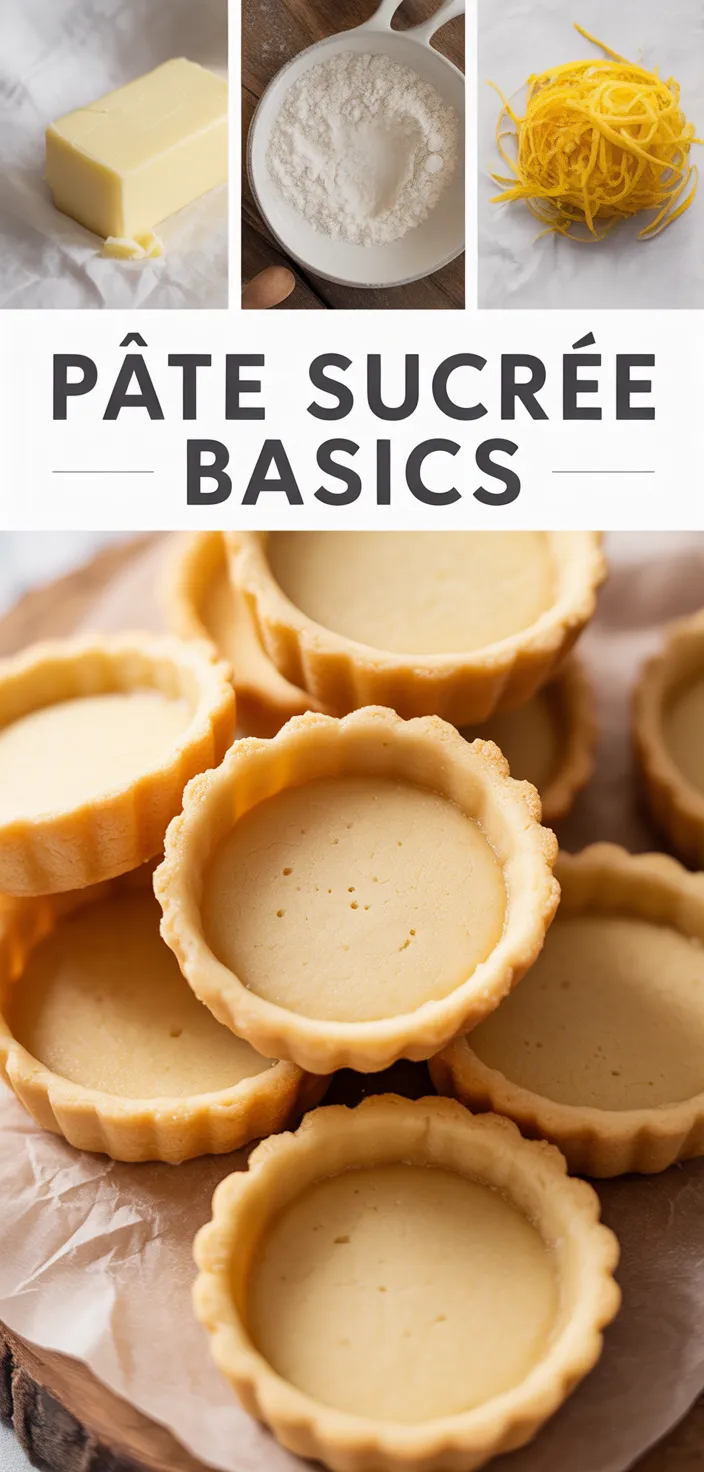
I’ve been obsessing over Pâte Sucrée lately, that crisp, buttery cradle for every fruit tart. Make no mistake, this is French Sweet Pastry at its most flirtatious: delicate, slightly crumbly, and stubbornly elegant.
I like using cold unsalted butter and good all purpose flour because that combo gives you the snap and flavor I want, though I still mess up the edges sometimes. It’s the kind of Homemade Tart Crust that makes folks think you spent all day on it.
Stick around and you’ll spot the small tricks that turn good into unforgettable.
Ingredients
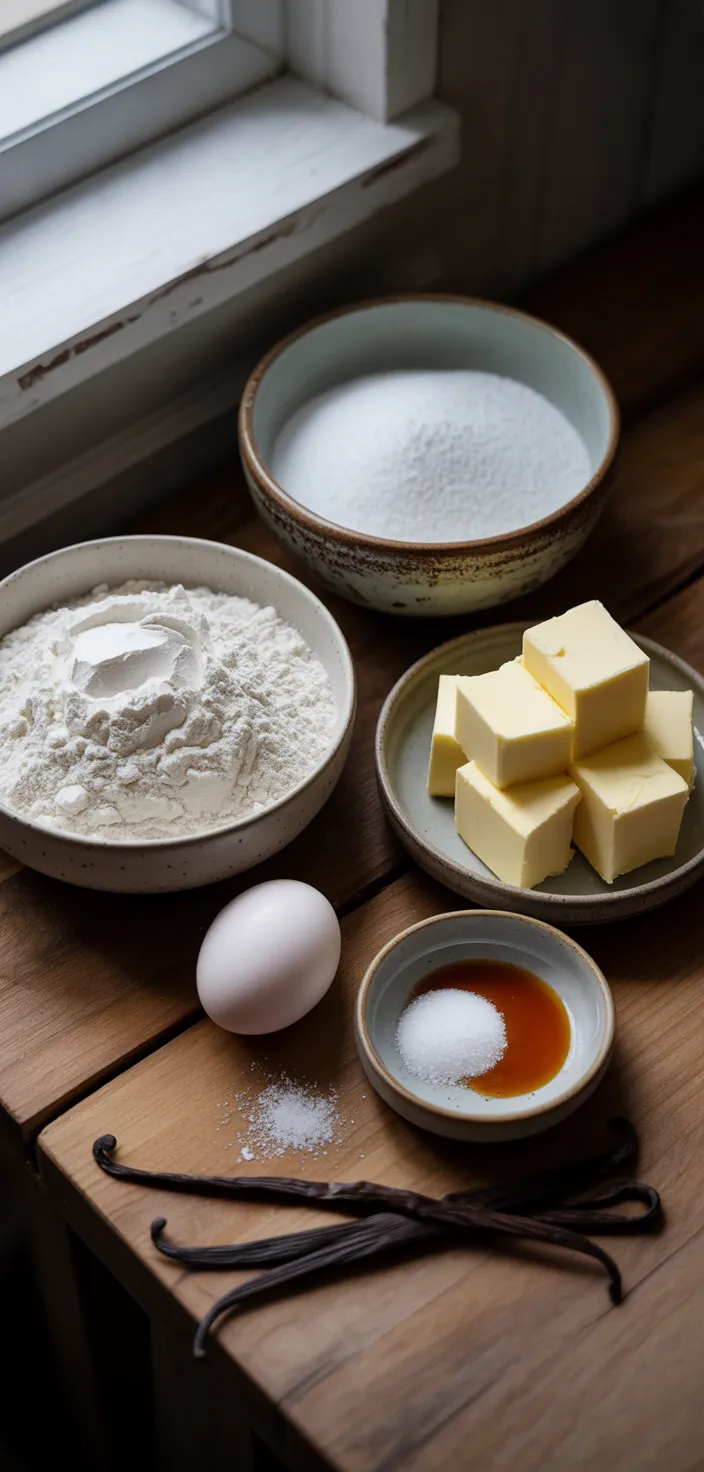
- All purpose flour gives structure, mostly carbs with a little protein, low fiber unless whole.
- Powdered sugar makes dough sweet and tender, pure carbs, no fiber, use sparingly or you’ll go overboard.
- Cold butter creates flaky layers, mostly fat, adds richness and flavor, not exactly heart healthy.
- Egg binds dough, gives protein and color, also adds moisture and a bit of richness.
- Tiny pinch of salt enhances flavor, balances sweetness, has negligible nutritional impact but matters.
- Vanilla adds aromatic sweetness without extra sugar, tiny calories, big flavor boost, optional though.
- Ice cold water just tames dough, helps bind if needed, add only a tablespoon at a time.
Ingredient Quantities
- 250 g (about 2 cups) all purpose flour
- 60 g (about 1/2 cup) powdered sugar (icing sugar)
- 125 g (about 1/2 cup plus 1 tbsp) unsalted butter, cold and cubed
- 1 large egg
- pinch of fine sea salt
- 1 tsp vanilla extract or seeds from 1/2 vanilla bean (optional)
- 1 to 2 tbsp ice cold water (optional)
How to Make this
1. Put 250 g all purpose flour, 60 g powdered sugar and a pinch of fine sea salt in a bowl or food processor and mix briefly to combine. If the powdered sugar is lumpy, sift it first.
2. Add 125 g cold, cubed unsalted butter. Pulse in the processor or rub quickly with your fingertips until the mix looks like coarse crumbs and the butter pieces are about pea sized. Keep everything cold and work fast.
3. Stir in 1 tsp vanilla extract or the seeds from 1/2 vanilla bean if using.
4. Add 1 large egg and pulse or fold just until the dough starts to come together in large flakes. Dont overwork it or it will get tough.
5. If the dough is too dry to hold when you press it, add 1 tablespoon of ice cold water and mix just enough to bring it together. You may need a second tablespoon in very dry kitchens.
6. Turn the dough onto plastic wrap, press into a flat disc about 2 to 3 cm thick, wrap and chill in the fridge for at least 1 hour or up to 48 hours. Chilling rests the dough and firms the butter so it will be tender.
7. When cold, roll the dough between two sheets of parchment to about 3 mm to 4 mm thick. Transfer to a 23 to 25 cm tart pan, press gently into the corners and trim the excess. Patch any thin spots then chill the lined pan 15 to 30 minutes so it holds its shape. Freezing 15 minutes works great too.
8. For blind baking preheat oven to 180 C 350 F. Line the chilled shell with parchment and fill with baking beans or rice. Bake 15 to 18 minutes until the edges are set. Remove the weights and parchment and bake another 6 to 10 minutes until the base is pale golden. For fully baked tarts bake until evenly golden about 20 to 25 minutes total.
9. Let the shell cool on a rack before filling. If you want an extra barrier against soggy fillings brush the warm crust with a thin layer of beaten egg white and pop back in the oven for 1 to 2 minutes to seal.
10. Tips: keep everything cold, dont overmix, use a food processor for speed, and always chill the dough after rolling so it wont shrink. Dough will keep 3 days in the fridge or up to 1 month frozen.
Equipment Needed
1. Digital kitchen scale
2. Large mixing bowl or food processor
3. Fine mesh sieve or sifter
4. Pastry cutter or two knives or just your fingertips
5. Measuring spoons and a tablespoon measure
6. Rubber spatula or bench scraper
7. Plastic wrap
8. Rolling pin and two sheets of parchment paper
9. 23 to 25 cm tart pan, a baking sheet, plus baking beans or dried rice for blind baking
FAQ
Pâte Sucrée Basics (Sweet Shortcrust Pastry) Recipe Substitutions and Variations
- Flour: use pastry flour (same weight as APF) for a more tender crust, or a 1:1 gluten free all purpose blend with xanthan gum (same weight) to make it gluten free, or swap up to ~20% of the flour for almond flour for a nuttier flavor but expect a slightly crumblier dough.
- Powdered sugar: blitz granulated sugar in a blender/food processor with 1 tbsp cornstarch per cup until powdery (use same weight as called for), or use superfine/caster sugar if you don’t mind a tiny bit of texture.
- Butter: replace with cold vegetable shortening 1:1 by weight for a flakier, less buttery crust, or use a 50/50 mix of butter and shortening 1:1 total weight to keep flavor and improve handling, or use solid coconut oil 1:1 but expect a faint coconut note and a slightly more brittle dough.
- Egg: swap with 3 tbsp aquafaba (from canned chickpeas) for a vegan option, or make a flax “egg” (1 tbsp ground flaxseed + 3 tbsp water, let sit 5 minutes), or use 3 tbsp full fat yogurt or crème fraîche for richness but cut any added water as needed.
Pro Tips
1) Keep everything stupid cold, seriously. Cold butter, cool bowl, quick hands. If the butter warms up the dough goes greasy and tough, so pop the bowl in the fridge for a few minutes if your kitchen’s warm.
2) Dont overwork it. Stop as soon as the mix holds in big flakes or a loose ball. Overmixing makes the crust chewy not tender. Use short pulses or quick fingertip rubs and try to finish before the butter melts.
3) Roll between parchment and patch small tears with chilled scraps, pressing gently with your fingertips. If the dough cracks when you transfer it, press the crack closed, flute the edge or freeze the lined pan for 15 minutes so it keeps its shape.
4) Prevent soggy bottoms by blind baking properly and sealing the warm crust. Bake with weights until set, then remove them so the base can brown. For extra insurance brush a thin layer of beaten egg white or melted chocolate on the warm shell, let it set, then fill.
Pâte Sucrée Basics (Sweet Shortcrust Pastry) Recipe
I demystify the pastry science behind Pâte Sucrée and explain why a tender, buttery homemade tart crust comes together so reliably.
8
servings
242
kcal
Equipment: 1. Digital kitchen scale
2. Large mixing bowl or food processor
3. Fine mesh sieve or sifter
4. Pastry cutter or two knives or just your fingertips
5. Measuring spoons and a tablespoon measure
6. Rubber spatula or bench scraper
7. Plastic wrap
8. Rolling pin and two sheets of parchment paper
9. 23 to 25 cm tart pan, a baking sheet, plus baking beans or dried rice for blind baking
Ingredients
-
250 g (about 2 cups) all purpose flour
-
60 g (about 1/2 cup) powdered sugar (icing sugar)
-
125 g (about 1/2 cup plus 1 tbsp) unsalted butter, cold and cubed
-
1 large egg
-
pinch of fine sea salt
-
1 tsp vanilla extract or seeds from 1/2 vanilla bean (optional)
-
1 to 2 tbsp ice cold water (optional)
Directions
- Put 250 g all purpose flour, 60 g powdered sugar and a pinch of fine sea salt in a bowl or food processor and mix briefly to combine. If the powdered sugar is lumpy, sift it first.
- Add 125 g cold, cubed unsalted butter. Pulse in the processor or rub quickly with your fingertips until the mix looks like coarse crumbs and the butter pieces are about pea sized. Keep everything cold and work fast.
- Stir in 1 tsp vanilla extract or the seeds from 1/2 vanilla bean if using.
- Add 1 large egg and pulse or fold just until the dough starts to come together in large flakes. Dont overwork it or it will get tough.
- If the dough is too dry to hold when you press it, add 1 tablespoon of ice cold water and mix just enough to bring it together. You may need a second tablespoon in very dry kitchens.
- Turn the dough onto plastic wrap, press into a flat disc about 2 to 3 cm thick, wrap and chill in the fridge for at least 1 hour or up to 48 hours. Chilling rests the dough and firms the butter so it will be tender.
- When cold, roll the dough between two sheets of parchment to about 3 mm to 4 mm thick. Transfer to a 23 to 25 cm tart pan, press gently into the corners and trim the excess. Patch any thin spots then chill the lined pan 15 to 30 minutes so it holds its shape. Freezing 15 minutes works great too.
- For blind baking preheat oven to 180 C 350 F. Line the chilled shell with parchment and fill with baking beans or rice. Bake 15 to 18 minutes until the edges are set. Remove the weights and parchment and bake another 6 to 10 minutes until the base is pale golden. For fully baked tarts bake until evenly golden about 20 to 25 minutes total.
- Let the shell cool on a rack before filling. If you want an extra barrier against soggy fillings brush the warm crust with a thin layer of beaten egg white and pop back in the oven for 1 to 2 minutes to seal.
- Tips: keep everything cold, dont overmix, use a food processor for speed, and always chill the dough after rolling so it wont shrink. Dough will keep 3 days in the fridge or up to 1 month frozen.
Notes
- Below you’ll find my best estimate of this recipe’s nutrition facts. Treat the numbers as a guide rather than a rule—great food should nourish both body and spirit. Figures are approximate, and the website owner assumes no liability for any inaccuracies in this recipe.
Nutrition Facts
- Serving Size: 61g
- Total number of serves: 8
- Calories: 242kcal
- Fat: 13.6g
- Saturated Fat: 8.2g
- Trans Fat: 0.51g
- Polyunsaturated: 0.56g
- Monounsaturated: 3.5g
- Cholesterol: 57mg
- Sodium: 22mg
- Potassium: 43mg
- Carbohydrates: 31.3g
- Fiber: 1.1g
- Sugar: 7.8g
- Protein: 4g
- Vitamin A: 139IU
- Vitamin C: 0mg
- Calcium: 9.9mg
- Iron: 0.5mg