
I’m talking pillowy, thick Greek pita bread with that perfect soft chew, ready for scooping, stuffing, and stealing straight from the stack. Once I make a batch, store-bought pita doesn’t stand a chance.
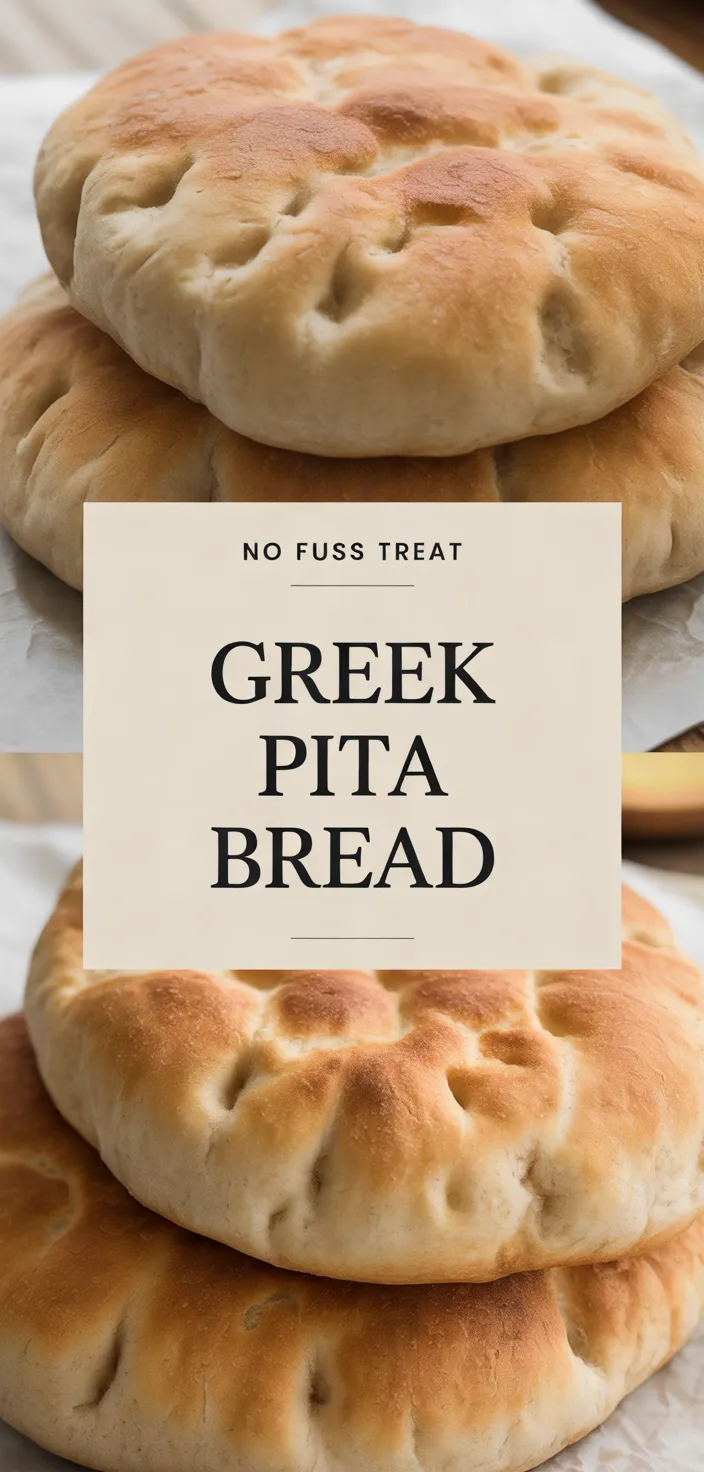
I’m obsessed with Greek pita bread because it’s thick, soft, and actually satisfying, not those sad floppy rounds that split the second I look at them. I love the chew, the little golden spots, the way extra virgin olive oil gives every bite that rich, savory edge.
And when I tear into one, I’m already thinking about gyros, grilled chicken, hummus, feta, juicy tomatoes, all of it. This is the pita I want on my plate when dinner needs to feel bold and fresh without getting fussy.
Simple bread. Big payoff.
I could eat it plain, no regrets at all.
Ingredients
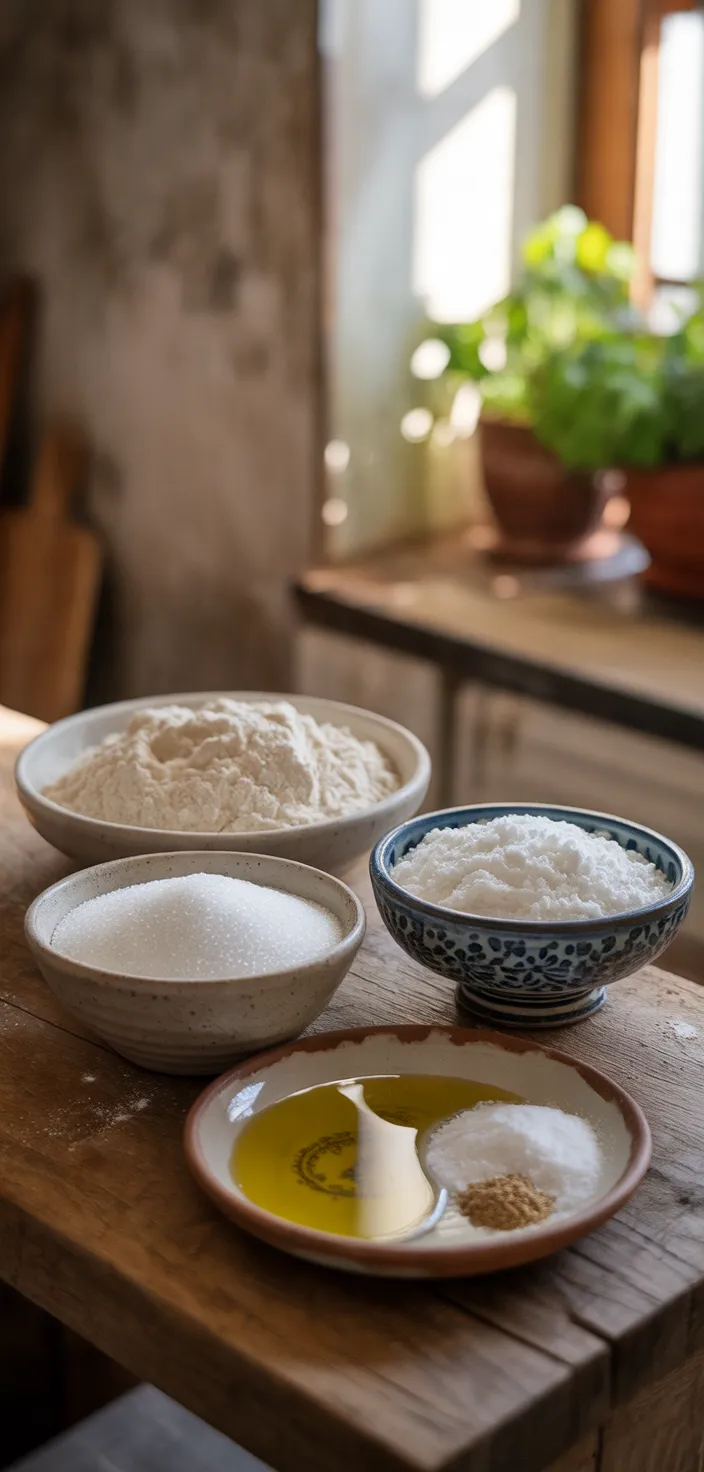
- All-purpose flour gives pita that soft, chewy bite without feeling too fancy.
- Warm water wakes the yeast up, so the dough gets light and puffy.
- Active dry yeast brings the rise, making each pita pockety and tender.
- Sugar feeds the yeast and adds just a tiny hint of warmth.
- Fine salt keeps the bread from tasting flat.
You’d miss it fast.
- Extra virgin olive oil makes the dough softer, richer, and a little more Greek.
- Olive oil for brushing adds shine, softness, and that snacky golden finish.
- Basically, these simple ingredients turn pantry stuff into warm, bendy bread.
- Plus, homemade pita just feels better wrapped around grilled meat or veggies.
Ingredient Quantities
- All purpose flour 3 cups (about 360 g)
- Warm water 1 1/4 cups (about 300 ml) at roughly 105 to 115°F (40 to 46°C)
- Active dry yeast 2 1/4 teaspoons (1 packet, about 7 g)
- Granulated sugar 1 tablespoon (about 12 g)
- Fine salt 1 1/2 teaspoons (about 8 g)
- Extra virgin olive oil 2 tablespoons (about 30 ml)
- Olive oil for brushing, optional
How to Make this
1. In a small bowl combine warm water, sugar and active dry yeast; stir gently and let sit 5 to 10 minutes until foamy.
2. In a large bowl whisk together all purpose flour and fine salt.
3. Make a well in the flour, add the foamy yeast mixture and extra virgin olive oil.
4. Stir with a wooden spoon or your hand until the dough comes together and no dry flour remains.
5. Turn the dough onto a lightly floured surface and knead 8 to 10 minutes until smooth and elastic.
6. Place the dough in a lightly oiled bowl, cover with a clean towel or plastic wrap, and let rise in a warm place about 1 to 1 1/2 hours until doubled.
7. Punch down the dough, divide into 8 equal pieces, shape each into a ball, and let rest 10 to 15 minutes covered.
8. On a lightly floured surface press or roll each ball into a round about 1/4 to 1/2 inch thick.
9. Heat a heavy skillet or cast iron pan over medium high heat. Cook each pita 1 to 2 minutes per side until puffed and lightly browned. Brush with a little olive oil if desired and keep warm wrapped in a clean towel.
Equipment Needed
1. Small mixing bowl
2. Large mixing bowl
3. Measuring cups and spoons
4. Whisk
5. Wooden spoon or sturdy spatula
6. Kitchen scale or measuring cup for flour
7. Lightly floured work surface and bench scraper or your hands for shaping
8. Rolling pin or hands for pressing rounds
9. Heavy skillet or cast iron pan
10. Clean towel or plastic wrap and a pastry brush for oiling
FAQ
Greek Pita Bread Recipe Substitutions and Variations
- All purpose flour: substitute bread flour for chewier, taller pitas using a 1:1 ratio; or use whole wheat flour replacing up to 50 percent of the AP flour for a nuttier flavor, keep rest AP to maintain lightness.
- Active dry yeast: substitute instant (rapid) yeast 1:1 by weight or about 1 3/4 teaspoons for 2 1/4 teaspoons active dry and add directly to flour; for fresh (cake) yeast use about 2 times the weight of active dry yeast (about 14 g).
- Granulated sugar: substitute honey or maple syrup using about 3/4 tablespoon for 1 tablespoon sugar, reduce warm water by roughly 1 tablespoon to balance liquid; or use brown sugar 1:1 for a slightly richer taste.
- Extra virgin olive oil: substitute mild vegetable oil or canola oil 1:1 for neutral flavor; or use melted butter 1:1 for a richer, more tender crumb, noting a slight change in flavor profile.
Pro Tips
1. Measure flour by weight if you can. Three cups can compact differently depending on how you scoop, so weighing about 360 grams gives more consistent dough texture and puffing.
2. Check water temperature with your wrist or a thermometer. Around 105 to 115°F feels pleasantly warm but not hot to the touch. Too cool and the yeast will be sluggish, too hot and you risk killing it.
3. Knead until the dough is smooth and slightly tacky rather than dry. If it springs back gently when pressed, it is ready. Under-kneaded dough will be dense, over-kneaded can become tight and resist puffing.
4. Give the dough a warm, draft-free place to rise. A slightly warm oven with the light on or a turned-off oven with a bowl of hot water nearby creates a reliable environment for a good, even rise.
5. Get your skillet properly hot before cooking, but not smoking. Cook first side until you see clear bubbles and some browning, then flip. If pitas are not puffing, try increasing heat slightly or briefly covering the pan with a lid to trap steam for the second side.
Greek Pita Bread Recipe
I’m talking pillowy, thick Greek pita bread with that perfect soft chew, ready for scooping, stuffing, and stealing straight from the stack. Once I make a batch, store-bought pita doesn’t stand a chance.
8
servings
206
kcal
Equipment: 1. Small mixing bowl
2. Large mixing bowl
3. Measuring cups and spoons
4. Whisk
5. Wooden spoon or sturdy spatula
6. Kitchen scale or measuring cup for flour
7. Lightly floured work surface and bench scraper or your hands for shaping
8. Rolling pin or hands for pressing rounds
9. Heavy skillet or cast iron pan
10. Clean towel or plastic wrap and a pastry brush for oiling
Ingredients
-
All purpose flour 3 cups (about 360 g)
-
Warm water 1 1/4 cups (about 300 ml) at roughly 105 to 115°F (40 to 46°C)
-
Active dry yeast 2 1/4 teaspoons (1 packet, about 7 g)
-
Granulated sugar 1 tablespoon (about 12 g)
-
Fine salt 1 1/2 teaspoons (about 8 g)
-
Extra virgin olive oil 2 tablespoons (about 30 ml)
-
Olive oil for brushing, optional
Directions
- In a small bowl combine warm water, sugar and active dry yeast; stir gently and let sit 5 to 10 minutes until foamy.
- In a large bowl whisk together all purpose flour and fine salt.
- Make a well in the flour, add the foamy yeast mixture and extra virgin olive oil.
- Stir with a wooden spoon or your hand until the dough comes together and no dry flour remains.
- Turn the dough onto a lightly floured surface and knead 8 to 10 minutes until smooth and elastic.
- Place the dough in a lightly oiled bowl, cover with a clean towel or plastic wrap, and let rise in a warm place about 1 to 1 1/2 hours until doubled.
- Punch down the dough, divide into 8 equal pieces, shape each into a ball, and let rest 10 to 15 minutes covered.
- On a lightly floured surface press or roll each ball into a round about 1/4 to 1/2 inch thick.
- Heat a heavy skillet or cast iron pan over medium high heat. Cook each pita 1 to 2 minutes per side until puffed and lightly browned. Brush with a little olive oil if desired and keep warm wrapped in a clean towel.
Notes
- Below you’ll find my best estimate of this recipe’s nutrition facts. Treat the numbers as a guide rather than a rule—great food should nourish both body and spirit. Figures are approximate, and the website owner assumes no liability for any inaccuracies in this recipe.
Nutrition Facts
- Serving Size: 90g
- Total number of serves: 8
- Calories: 206kcal
- Fat: 4.21g
- Saturated Fat: 0.61g
- Trans Fat: 0g
- Polyunsaturated: 0.51g
- Monounsaturated: 2.76g
- Cholesterol: 0mg
- Sodium: 393mg
- Potassium: 57mg
- Carbohydrates: 36.01g
- Fiber: 1.28g
- Sugar: 1.5g
- Protein: 4.85g
- Vitamin A: 0IU
- Vitamin C: 0mg
- Calcium: 7mg
- Iron: 1.65mg