
I swear these homemade dinner rolls steal the spotlight every single time, with fluffy centers, buttery tops, and that bakery-perfect pull apart texture. One basket on the table and suddenly the main dish has serious competition.
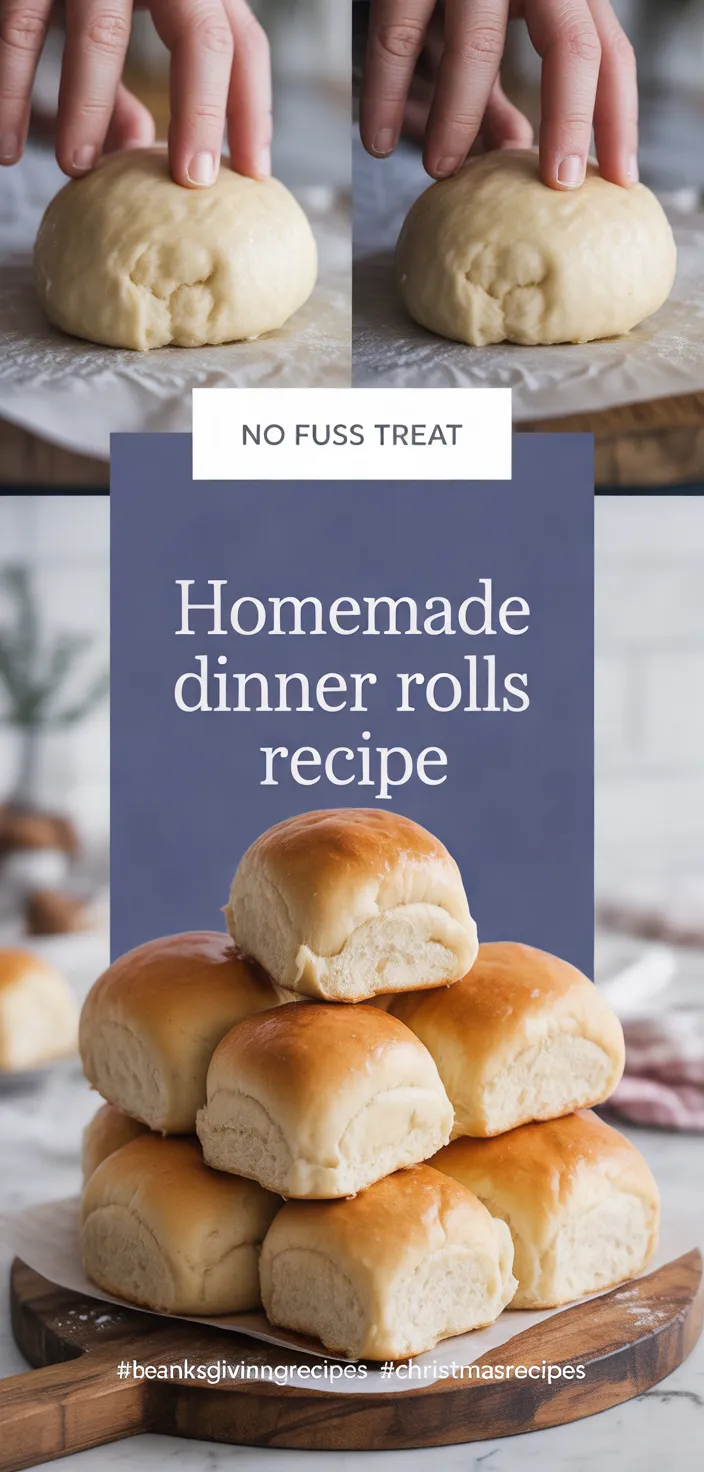
I’m obsessed with these homemade dinner rolls because they hit that soft, fluffy, buttery spot I want on every plate. I love how they pull apart in tender little layers, with just enough chew to make me reach for another before dinner even starts.
The all purpose flour gives them that classic bakery-style bite, and the unsalted butter brings the rich, golden flavor I crave. But honestly, I’d eat these straight from the pan with nothing else around.
No fancy mood, no holiday required. Just pillowy rolls, glossy tops, and that dangerous “one more” situation I fully support every single time.
Ingredients
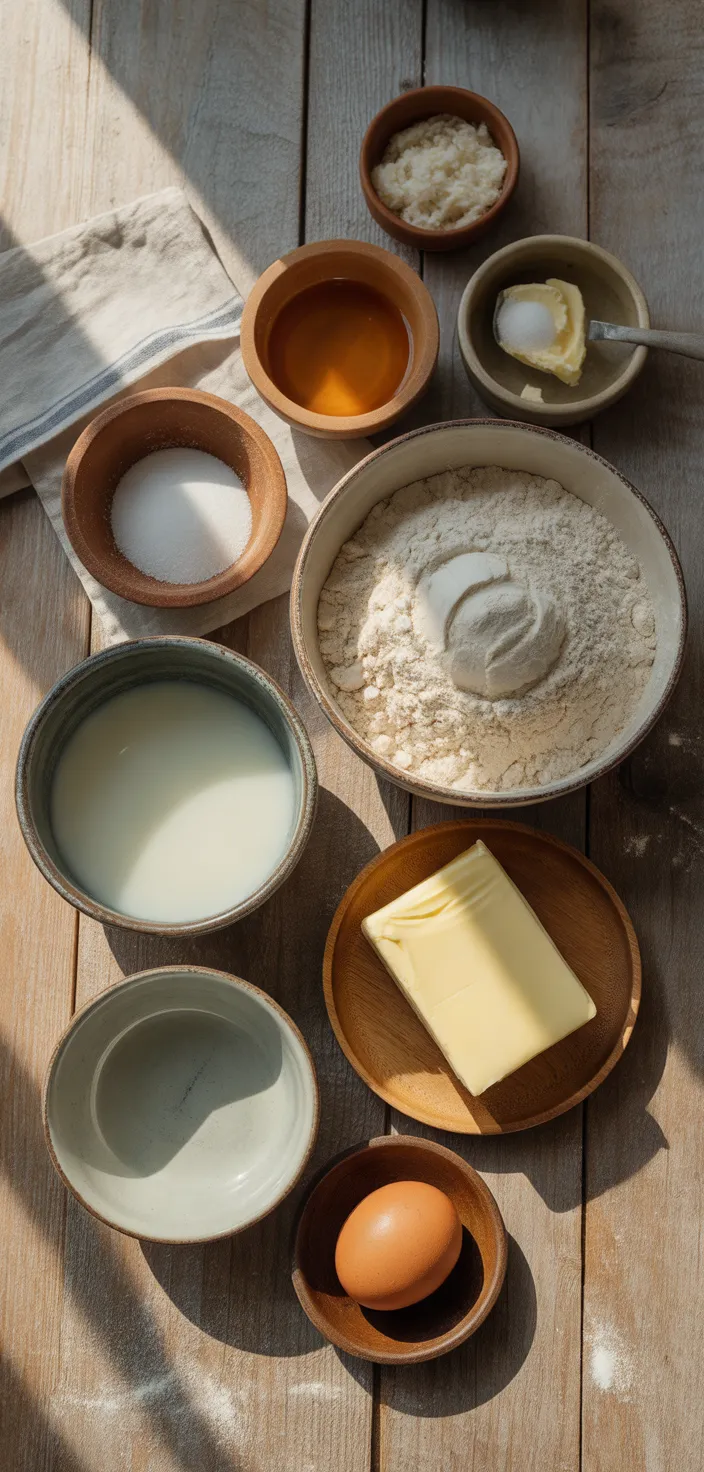
- All purpose flour gives the rolls their soft, classic bakery-style body.
- Active dry yeast brings the puff, the rise, and that cozy bread smell.
- Granulated sugar feeds the yeast and adds just enough gentle sweetness.
- Fine salt keeps the rolls from tasting flat.
Tiny ingredient, big job.
- Whole milk makes the dough richer, softer, and a little more tender.
- Water helps the dough hydrate without making everything feel too heavy.
- Unsalted butter adds richness inside, then that glossy, buttery top later.
- The egg gives structure and helps the rolls bake up beautifully golden.
- Extra melted butter is optional, but honestly, you’ll probably want it.
- Plus, these ingredients make rolls that feel homemade in the best way.
- Basically, they’re soft, slightly sweet, and perfect for soaking up dinner.
Ingredient Quantities
- 3 1/2 to 4 cups (420 to 480 g) all purpose flour
- 2 1/4 teaspoons (1 packet) active dry yeast
- 1/4 cup (50 g) granulated sugar
- 1 teaspoon fine salt
- 1 cup (240 ml) whole milk
- 1/4 cup (60 ml) water
- 4 tablespoons (55 g) unsalted butter, divided
- 1 large egg
- Extra melted butter for brushing, optional
How to Make this
1. Warm the milk and water together until about 105 to 115 F (warm to the touch but not hot); sprinkle the active dry yeast and a pinch of the granulated sugar over the liquid, stir gently, and let sit 5 to 10 minutes until foamy.
2. In a large bowl whisk 3 1/2 cups of the all purpose flour, the remaining sugar, and the salt.
3. Melt 3 tablespoons of the unsalted butter and let it cool slightly; add the melted butter and the egg to the foamy yeast mixture, then pour into the dry ingredients.
4. Stir with a wooden spoon or dough hook until a shaggy dough forms; add up to the remaining 1/2 cup (60 g) flour a little at a time if the dough is too sticky.
5. Turn the dough out onto a lightly floured surface and knead 8 to 10 minutes until smooth and elastic, or knead with a stand mixer on medium speed for 6 to 8 minutes.
6. Place the dough in a lightly greased bowl, brush the top with the remaining 1 tablespoon softened butter, cover with plastic wrap or a clean towel, and let rise in a warm draft free spot until doubled, about 1 to 1 1/2 hours.
7. Punch the dough down, divide into 12 equal pieces, and shape each into a tight ball; place them in a greased 9 by 13 inch baking pan or two round pans, leaving a little space between rolls for expansion.
8. Cover the shaped rolls and let them rise again until puffy and nearly doubled, about 30 to 45 minutes; toward the end preheat the oven to 350 F.
9. Bake the rolls at 350 F for 18 to 22 minutes until golden brown on top and hollow sounding when tapped.
10. Remove from the oven and immediately brush with extra melted butter if desired; let cool a few minutes before serving warm.
Equipment Needed
1. Liquid and dry measuring cups and measuring spoons
2. Kitchen thermometer or finger test for warm milk (105 to 115 F)
3. Large mixing bowl
4. Whisk
5. Wooden spoon or stand mixer with dough hook
6. Bench scraper or spatula for dividing and handling dough
7. Rolling or work surface lightly dusted with flour
8. 9 by 13 inch baking pan (or two round pans) and a pastry brush for butter
9. Plastic wrap or a clean kitchen towel for covering during rises
FAQ
Homemade Dinner Rolls Recipe Substitutions and Variations
- All purpose flour: bread flour for chewier, higher-rise rolls; white whole wheat or whole wheat pastry flour (swap up to 50% to avoid dense texture); 1-to-1 gluten free flour blend with xanthan gum if needed
- Whole milk: buttermilk thinned with a little water for tang and tenderness; half-and-half diluted 1:1 with water for similar richness; unsweetened soy or oat milk for a dairy-free option
- Unsalted butter: melted margarine or vegan buttery spread equal amount; neutral vegetable oil like canola or light olive oil use about 10% less by volume; refined coconut oil (mild flavor) measured equal
- Large egg: aquafaba 3 tablespoons per egg for binding; ground flaxseed 1 tablespoon plus 3 tablespoons water (let sit 5 minutes); 1/4 cup applesauce to add moisture though rolls may be slightly denser
Pro Tips
1. Use a thermometer and trust the feel: aim for that 105 to 115 F milk mixture so yeast wakes up without getting scalded. If it feels hotter than comfortably warm on your wrist, let it cool a bit before adding yeast.
2. Measure flour by weight or spoon and level the cup to avoid dense rolls. If the dough feels tacky but pulls away from the bowl, resist adding too much extra flour; a slightly tacky dough yields softer rolls after baking.
3. Learn the windowpane test or check for smooth elasticity to know when you have kneaded enough. Well developed gluten gives a pillowy interior and helps the rolls rise evenly.
4. For the best crust and shine, brush the tops with melted butter right after they come out of the oven rather than before baking. Let them rest a few minutes in the pan so they finish setting, then brush and serve warm.
Homemade Dinner Rolls Recipe
I swear these homemade dinner rolls steal the spotlight every single time, with fluffy centers, buttery tops, and that bakery-perfect pull apart texture. One basket on the table and suddenly the main dish has serious competition.
12
servings
205
kcal
Equipment: 1. Liquid and dry measuring cups and measuring spoons
2. Kitchen thermometer or finger test for warm milk (105 to 115 F)
3. Large mixing bowl
4. Whisk
5. Wooden spoon or stand mixer with dough hook
6. Bench scraper or spatula for dividing and handling dough
7. Rolling or work surface lightly dusted with flour
8. 9 by 13 inch baking pan (or two round pans) and a pastry brush for butter
9. Plastic wrap or a clean kitchen towel for covering during rises
Ingredients
-
3 1/2 to 4 cups (420 to 480 g) all purpose flour
-
2 1/4 teaspoons (1 packet) active dry yeast
-
1/4 cup (50 g) granulated sugar
-
1 teaspoon fine salt
-
1 cup (240 ml) whole milk
-
1/4 cup (60 ml) water
-
4 tablespoons (55 g) unsalted butter, divided
-
1 large egg
-
Extra melted butter for brushing, optional
Directions
- Warm the milk and water together until about 105 to 115 F (warm to the touch but not hot); sprinkle the active dry yeast and a pinch of the granulated sugar over the liquid, stir gently, and let sit 5 to 10 minutes until foamy.
- In a large bowl whisk 3 1/2 cups of the all purpose flour, the remaining sugar, and the salt.
- Melt 3 tablespoons of the unsalted butter and let it cool slightly; add the melted butter and the egg to the foamy yeast mixture, then pour into the dry ingredients.
- Stir with a wooden spoon or dough hook until a shaggy dough forms; add up to the remaining 1/2 cup (60 g) flour a little at a time if the dough is too sticky.
- Turn the dough out onto a lightly floured surface and knead 8 to 10 minutes until smooth and elastic, or knead with a stand mixer on medium speed for 6 to 8 minutes.
- Place the dough in a lightly greased bowl, brush the top with the remaining 1 tablespoon softened butter, cover with plastic wrap or a clean towel, and let rise in a warm draft free spot until doubled, about 1 to 1 1/2 hours.
- Punch the dough down, divide into 12 equal pieces, and shape each into a tight ball; place them in a greased 9 by 13 inch baking pan or two round pans, leaving a little space between rolls for expansion.
- Cover the shaped rolls and let them rise again until puffy and nearly doubled, about 30 to 45 minutes; toward the end preheat the oven to 350 F.
- Bake the rolls at 350 F for 18 to 22 minutes until golden brown on top and hollow sounding when tapped.
- Remove from the oven and immediately brush with extra melted butter if desired; let cool a few minutes before serving warm.
Notes
- Below you’ll find my best estimate of this recipe’s nutrition facts. Treat the numbers as a guide rather than a rule—great food should nourish both body and spirit. Figures are approximate, and the website owner assumes no liability for any inaccuracies in this recipe.
Nutrition Facts
- Serving Size: 76.5g
- Total number of serves: 12
- Calories: 205kcal
- Fat: 5.15g
- Saturated Fat: 2.5g
- Trans Fat: 0.1g
- Polyunsaturated: 0.2g
- Monounsaturated: 1.12g
- Cholesterol: 27mg
- Sodium: 208mg
- Potassium: 73mg
- Carbohydrates: 33.7g
- Fiber: 1g
- Sugar: 5.4g
- Protein: 5g
- Vitamin A: 146IU
- Vitamin C: 0mg
- Calcium: 32mg
- Iron: 1.8mg