
I baked a No Knead Bread that came out with an insane crackly crust and pillow-soft crumb, and I can’t stop staring at the loaf so scroll down.
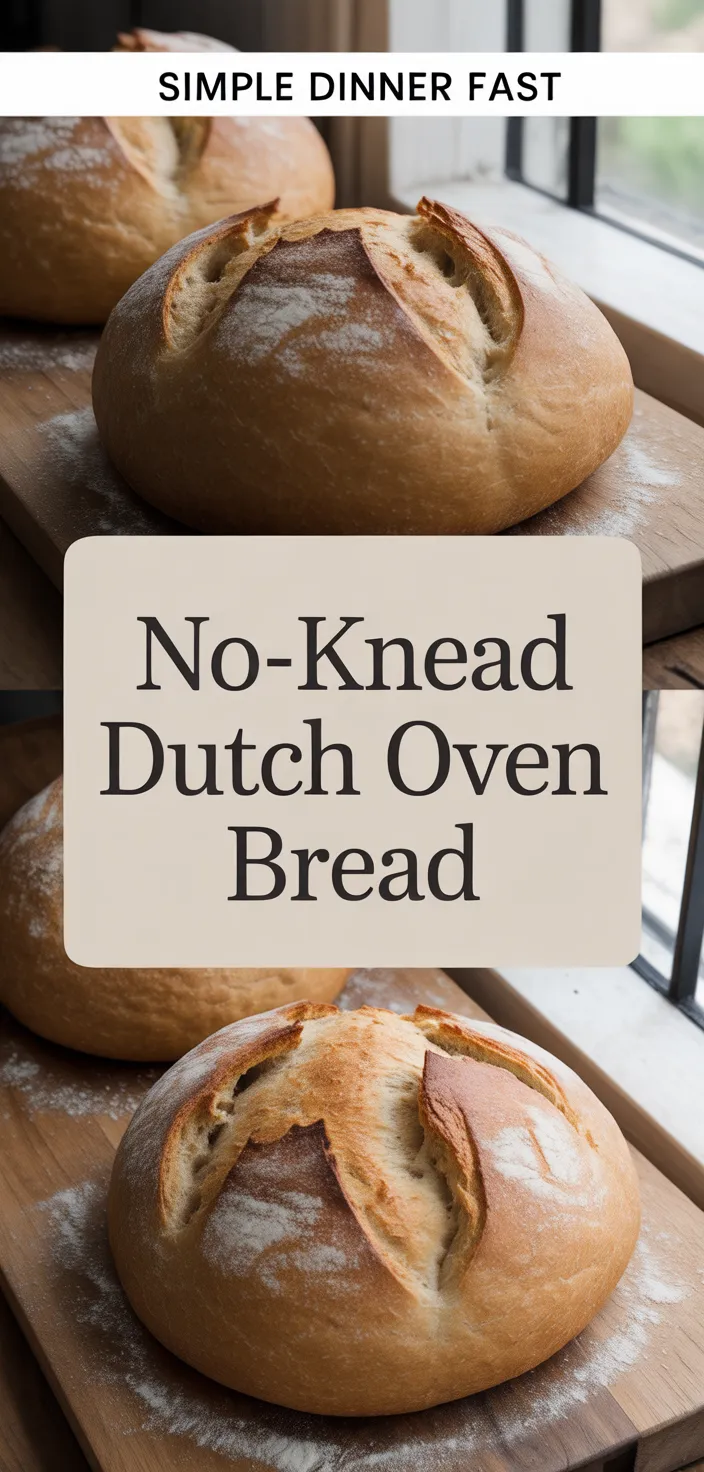
I’m obsessed with this No Knead Bread because it gives me that blistered, crunchy crust and a chewy crumb that makes toast pointless. I love how a Dutch Oven Bread turns flour and lukewarm water into something dangerously addictive.
I don’t care about tricks or gadgets, just the thump when I slice it and the steam that fogs the kitchen window. And the crust.
That crackle when I break it is everything. I savor the rustic mess, the uneven holes, the bits of flour on my fingers.
Bread this good brings out my selfish side. I want another loaf now.
Ingredients
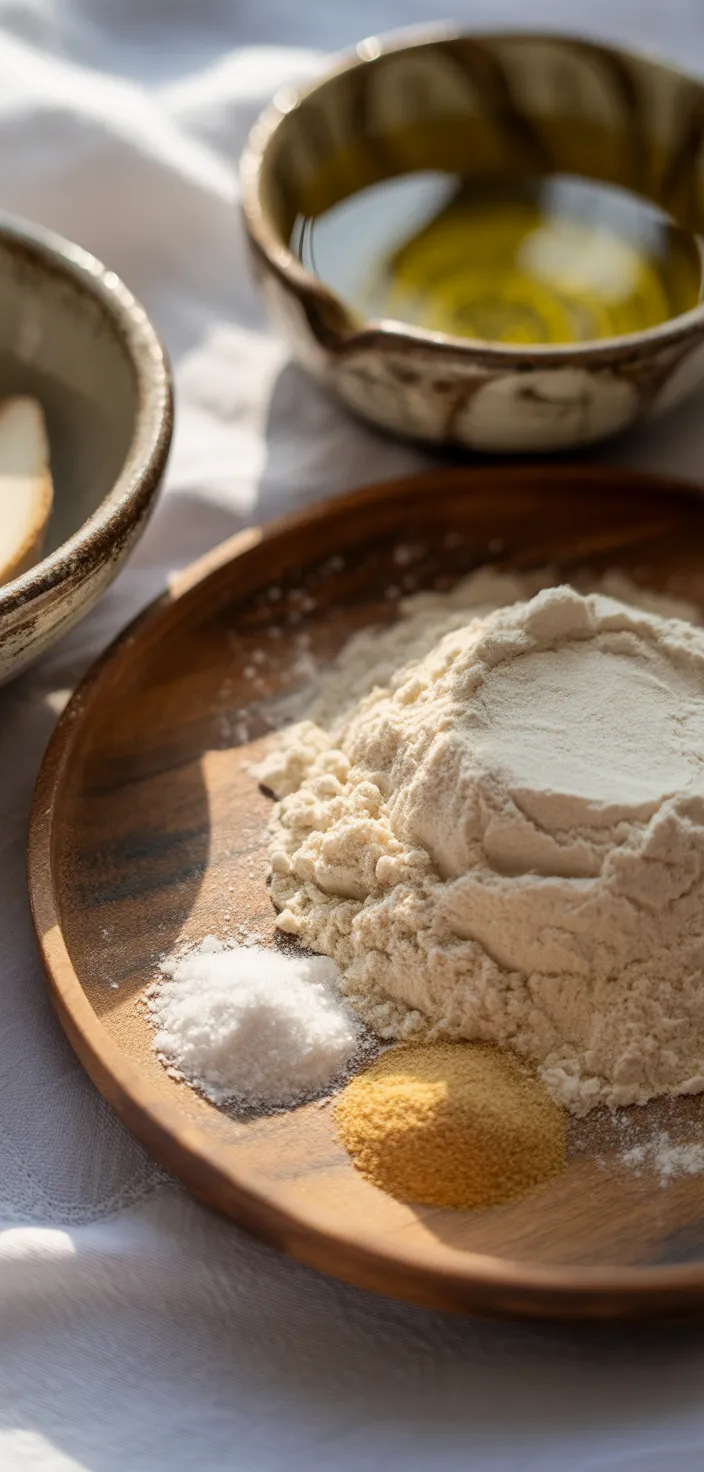
- Flour gives structure and crust, basic body for that chewy interior and crisp crust.
- Basically salt seasons every bite and tightens gluten so you’ll taste bread.
- Yeast makes it rise slowly, adding lightness and those little airy holes.
- Plus lukewarm water hydrates dough, helps gluten form without killing the yeast.
- Olive oil oils the bowl, keeps dough from sticking and adds soft richness.
- Cornmeal or extra flour gives a nonstick base and a little crunchy bottom.
Ingredient Quantities
- About 3 cups (420 g) all purpose flour, plus extra for dusting
- 1 1/4 teaspoons fine sea salt
- 1/4 teaspoon instant yeast (or active dry yeast, see notes)
- 1 1/2 cups (350 to 375 ml) lukewarm water, not hot
- 1 teaspoon olive oil, to oil the bowl
- Cornmeal or extra flour for dusting the parchment or pot base
How to Make this
1. In a large bowl whisk together about 3 cups (420 g) all purpose flour, 1 1/4 teaspoons fine sea salt and 1/4 teaspoon instant yeast; if you only have active dry yeast dissolve it first in a little of the lukewarm water (about 1 tablespoon) and wait 5 to 10 minutes until bubbly, then add to the flour.
2. Pour in 1 1/2 cups lukewarm water (350 to 375 ml) and stir with a wooden spoon or spatula until a shaggy, sticky dough forms; don’t overwork it, sticky is fine.
3. Oil the inside of the bowl with 1 teaspoon olive oil, scrape the dough into the bowl and turn once so it’s lightly coated, then cover the bowl tightly with plastic wrap or a lid.
4. Let the dough rest at room temperature for 12 to 18 hours until it has doubled and is dotted with bubbles; shorter time if your kitchen is warm, longer if cool.
5. Generously flour your work surface, dump the dough out, fold it over itself a couple times to shape loosely into a ball, and let it sit seam side down on the floured surface for 15 to 30 minutes while you heat the oven.
6. Put a clean Dutch oven (4 to 6 quart) with its lid in the oven and preheat to 450°F (230°C) for at least 30 minutes so the pot is screaming hot.
7. While the pot preheats, dust a piece of parchment or the pot base with cornmeal or extra flour, then gently transfer the dough seam side up onto the parchment and dust the top lightly with flour.
8. Carefully remove the hot pot from the oven, lift the dough on the parchment and lower it into the pot, cover with the lid and return to the oven.
9. Bake covered for 30 minutes, then remove the lid and bake an additional 10 to 20 minutes until the crust is deeply browned and crisp; total bake time usually 40 to 50 minutes.
10. Remove the bread from the pot onto a rack and cool at least 1 hour before slicing so the crumb sets properly.
Equipment Needed
1. Large mixing bowl
2. Whisk (for dry ingredients)
3. Wooden spoon or sturdy spatula (for stirring the shaggy dough)
4. Measuring cups and spoons and a kitchen scale (if you like precise measurements)
5. Plastic wrap or a tight fitting lid to cover the bowl
6. Dutch oven with lid, 4 to 6 quart (this gets super hot)
7. Parchment paper and a little cornmeal or extra flour for dusting
8. Oven mitts or thick towels for handling the hot pot
9. Cooling rack for the bread to rest and set before slicing
FAQ
No Knead Dutch Oven Crusty Bread Recipe Substitutions and Variations
- All purpose flour: swap with bread flour for chewier crumb (use same weight). Or use up to half whole wheat to add flavor, but add 1 to 2 tablespoons extra water because whole wheat soaks more.
- 1/4 teaspoon instant yeast: if using active dry yeast, proof it in a little of the lukewarm water first and use 1/2 teaspoon instead (active dry is a bit less potent when added straight in).
- 1 1/2 cups lukewarm water: you can replace part or all with lukewarm milk for a softer, richer crumb; same volume works fine, just don’t make it hot.
- Cornmeal for dusting: use semolina for a nicer crunch or just extra flour if you don’t have either; semolina gives a grittier crust, flour gives a softer bottom.
Pro Tips
1. Use a kitchen scale if you can, it makes a big difference. Eyeballing flour leads to dry loaves, so spoon flour into the cup and level it or better yet weigh 420 g. If your dough feels too wet, resist the urge to add a lot more flour right away — give it time, it firms up as it rests.
2. Temperature matters more than time. If your kitchen is warm, the dough will be ready closer to 12 hours; if it’s cool it can take 18 or more. Instead of watching the clock, look for bubbles and a doubled size. Also, lukewarm water means noticeably warm but not hot, about the temp of a warm bath.
3. When transferring to the hot pot, use parchment with cornmeal under the dough so it slides in easy and you dont touch the hot metal. Be gentle folding during shaping, too much handling kills the airy holes. If you want extra crisp on the bottom, let the dough sit on the parchment while the pot heats for a minute, then lift and quickly drop in.
4. Let the loaf cool at least an hour before slicing, I know it is tempting but the crumb needs that time to set. If you slice too soon it will be gummy and collapse. You can tent it loosely with foil after it cools if you like a softer crust the next day.
No Knead Dutch Oven Crusty Bread Recipe
I baked a No Knead Bread that came out with an insane crackly crust and pillow-soft crumb, and I can't stop staring at the loaf so scroll down.
8
servings
196
kcal
Equipment: 1. Large mixing bowl
2. Whisk (for dry ingredients)
3. Wooden spoon or sturdy spatula (for stirring the shaggy dough)
4. Measuring cups and spoons and a kitchen scale (if you like precise measurements)
5. Plastic wrap or a tight fitting lid to cover the bowl
6. Dutch oven with lid, 4 to 6 quart (this gets super hot)
7. Parchment paper and a little cornmeal or extra flour for dusting
8. Oven mitts or thick towels for handling the hot pot
9. Cooling rack for the bread to rest and set before slicing
Ingredients
-
About 3 cups (420 g) all purpose flour, plus extra for dusting
-
1 1/4 teaspoons fine sea salt
-
1/4 teaspoon instant yeast (or active dry yeast, see notes)
-
1 1/2 cups (350 to 375 ml) lukewarm water, not hot
-
1 teaspoon olive oil, to oil the bowl
-
Cornmeal or extra flour for dusting the parchment or pot base
Directions
- In a large bowl whisk together about 3 cups (420 g) all purpose flour, 1 1/4 teaspoons fine sea salt and 1/4 teaspoon instant yeast; if you only have active dry yeast dissolve it first in a little of the lukewarm water (about 1 tablespoon) and wait 5 to 10 minutes until bubbly, then add to the flour.
- Pour in 1 1/2 cups lukewarm water (350 to 375 ml) and stir with a wooden spoon or spatula until a shaggy, sticky dough forms; don’t overwork it, sticky is fine.
- Oil the inside of the bowl with 1 teaspoon olive oil, scrape the dough into the bowl and turn once so it's lightly coated, then cover the bowl tightly with plastic wrap or a lid.
- Let the dough rest at room temperature for 12 to 18 hours until it has doubled and is dotted with bubbles; shorter time if your kitchen is warm, longer if cool.
- Generously flour your work surface, dump the dough out, fold it over itself a couple times to shape loosely into a ball, and let it sit seam side down on the floured surface for 15 to 30 minutes while you heat the oven.
- Put a clean Dutch oven (4 to 6 quart) with its lid in the oven and preheat to 450°F (230°C) for at least 30 minutes so the pot is screaming hot.
- While the pot preheats, dust a piece of parchment or the pot base with cornmeal or extra flour, then gently transfer the dough seam side up onto the parchment and dust the top lightly with flour.
- Carefully remove the hot pot from the oven, lift the dough on the parchment and lower it into the pot, cover with the lid and return to the oven.
- Bake covered for 30 minutes, then remove the lid and bake an additional 10 to 20 minutes until the crust is deeply browned and crisp; total bake time usually 40 to 50 minutes.
- Remove the bread from the pot onto a rack and cool at least 1 hour before slicing so the crumb sets properly.
Notes
- Below you’ll find my best estimate of this recipe’s nutrition facts. Treat the numbers as a guide rather than a rule—great food should nourish both body and spirit. Figures are approximate, and the website owner assumes no liability for any inaccuracies in this recipe.
Nutrition Facts
- Serving Size: 99g
- Total number of serves: 8
- Calories: 196kcal
- Fat: 1.1g
- Saturated Fat: 0.18g
- Trans Fat: 0g
- Polyunsaturated: 0.34g
- Monounsaturated: 0.52g
- Cholesterol: 0mg
- Sodium: 368mg
- Potassium: 56mg
- Carbohydrates: 40.06g
- Fiber: 1.42g
- Sugar: 0.16g
- Protein: 5.43g
- Vitamin A: 0IU
- Vitamin C: 0mg
- Calcium: 7.88mg
- Iron: 0.63mg